

Irritable Bowel Syndrome: Symptoms, Causes, Treatment and Diet

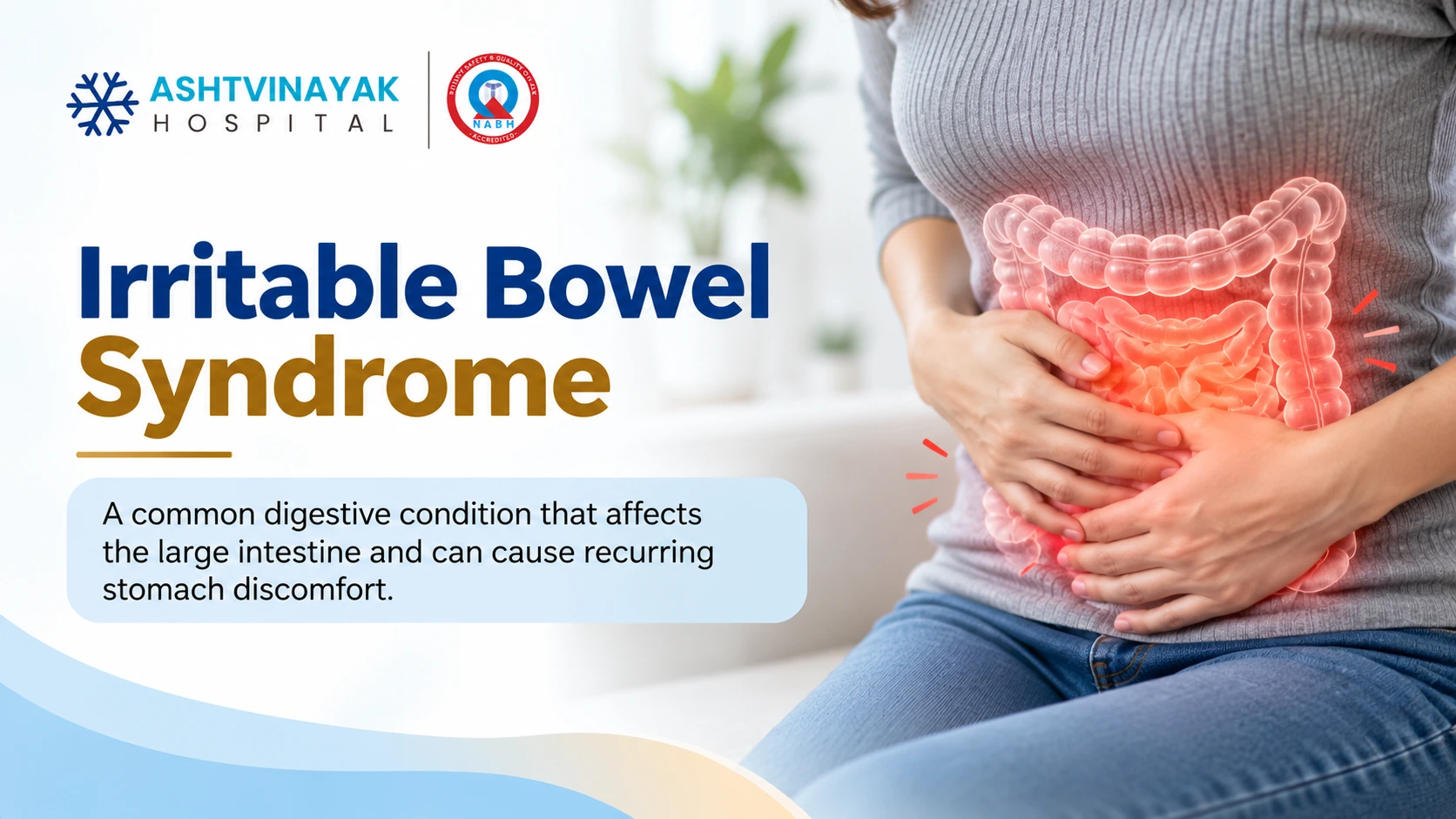

Digestive problems can affect everyday comfort, eating habits and even sleep. Irritable bowel syndrome is a common condition that mainly affects the digestive system and can cause recurring abdominal pain along with changes in bowel habits. Some people experience constipation, others have diarrhoea, while some alternate between the two.
The symptoms can come and go, and their intensity may change over time. Although this condition can be uncomfortable and disruptive, it does not usually cause permanent damage to the digestive tract. Proper medical evaluation and an individualised management plan can help reduce symptoms and improve daily comfort.
What Is Irritable Bowel Syndrome?
Irritable bowel syndrome, commonly called IBS, is a disorder involving the interaction between the gut and the brain. It affects how the digestive tract functions and can lead to abdominal pain, bloating and changes in bowel movements.
IBS is considered a functional gastrointestinal disorder because symptoms occur without visible structural damage that would explain them in the same way as conditions such as ulcers or inflammatory bowel disease. Symptoms may be influenced by food, stress, changes in gut movement and increased sensitivity of the digestive system.
IBS can affect people differently, so there is no single treatment or diet that works for everyone.
What Are the Symptoms of Irritable Bowel Syndrome?
The symptoms can vary in frequency and severity. Some people have mild symptoms occasionally, while others experience persistent digestive discomfort that affects daily activities.
Abdominal Pain and Cramping
Abdominal pain or cramping is one of the main features of IBS. The discomfort may occur in different areas of the abdomen and can sometimes improve after passing stool.
The intensity may change over time and can be influenced by meals, bowel movements and other individual triggers.
Changes in Bowel Habits
IBS can cause constipation, diarrhoea or alternating episodes of both. Some people may notice that their stools become harder or more difficult to pass, while others may experience frequent loose stools.
Changes in bowel frequency and consistency are important when assessing ongoing digestive symptoms.
Bloating and Gas
Bloating is another common complaint. The abdomen may feel full, tight or swollen, particularly after eating. Increased gas or burping may also occur.
Bloating can have many causes, so recurring symptoms should be evaluated rather than automatically attributed to IBS.
Consult Ashtavinayak Hospital for timely evaluation and personalised care for persistent digestive symptoms.
What Causes Irritable Bowel Syndrome?
There is no single cause of IBS. Several factors may contribute to its development or influence the severity of symptoms.
Changes in the movement of the digestive tract, increased sensitivity to normal intestinal activity, alterations in gut bacteria and communication between the brain and digestive system may play a role.
Some people notice symptoms after a gastrointestinal infection. Food sensitivities, stress and changes in routine may also trigger or worsen symptoms in certain individuals.
What Can Trigger IBS Symptoms?
Triggers differ from person to person. Certain foods, large meals, stress, poor sleep and changes in daily routine may worsen symptoms.
Food Triggers
Some people notice increased symptoms after consuming foods that are high in fat, certain dairy products, spicy foods or foods containing fermentable carbohydrates. However, food triggers are highly individual.
Keeping a food and symptom diary can help identify patterns. It is better to make dietary changes systematically rather than removing large groups of foods without guidance.
Stress and Emotional Factors
Stress does not mean that IBS symptoms are imaginary. The digestive system and brain communicate closely, and stress can influence intestinal movement and sensitivity.
Relaxation techniques, regular physical activity, adequate sleep and appropriate stress management may help some individuals manage symptoms.
How Is Irritable Bowel Syndrome Diagnosed?
There is no single blood test or scan that confirms IBS in every case. Diagnosis is generally based on symptoms, medical history and physical examination.
A doctor may ask about the duration and pattern of abdominal pain, bowel movements, diet, medications and other health conditions. Blood tests, stool tests or other investigations may be recommended when symptoms suggest another condition.
The purpose of additional testing is often to rule out other possible causes of similar symptoms.
What Is the Treatment for Irritable Bowel Syndrome?
Treatment is usually focused on controlling symptoms and improving quality of life. The appropriate approach depends on whether constipation, diarrhoea, abdominal pain or bloating is the main concern.
Dietary Changes
Dietary adjustments can help some people manage IBS. Eating regular meals, maintaining adequate fluid intake and identifying personal food triggers may reduce symptoms.
Some individuals may benefit from a low-FODMAP diet under appropriate professional guidance. This approach temporarily limits certain fermentable carbohydrates before foods are gradually reintroduced to identify individual triggers.
Medicines
Depending on the symptoms, a doctor may recommend medicines for constipation, diarrhoea, abdominal cramping or other specific complaints.
Medication should be selected according to the individual’s symptoms and medical history rather than using the same treatment for every person with IBS.
Lifestyle Measures
Regular physical activity, adequate sleep and stress management can complement dietary and medical treatment. Maintaining a consistent daily routine may also help regulate bowel habits.
Can Irritable Bowel Syndrome Be Cured Permanently?
IBS is generally considered a long-term condition in which symptoms can improve, return or change over time. There is no single permanent cure that works for everyone.
However, many people can manage their symptoms effectively through a combination of dietary changes, lifestyle measures, medicines and appropriate medical care. Identifying personal triggers can be an important part of long-term management.
Is Irritable Bowel Syndrome a Serious Condition?
IBS itself does not usually damage the digestive tract or increase the risk of colorectal cancer. However, symptoms should not automatically be assumed to be IBS without appropriate assessment.
Warning signs such as unexplained weight loss, blood in the stool, persistent vomiting, anaemia, fever, symptoms that begin later in life or a strong family history of certain gastrointestinal diseases may require further medical evaluation.
Severe or rapidly worsening abdominal pain should also receive prompt medical attention.
When Should You See a Gastroenterologist?
A medical consultation is appropriate when abdominal pain, constipation, diarrhoea or bloating continues for several weeks, repeatedly returns or interferes with normal activities.
Professional evaluation is especially important when digestive symptoms are accompanied by blood in the stool, unexplained weight loss, persistent vomiting, fever or significant changes in bowel habits.
A gastroenterologist can assess the symptoms and determine whether they are consistent with IBS or whether additional testing is needed.
Why Choose Ashtavinayak Hospital for Digestive Health Care?
Ashtavinayak Hospital provides medical care for a range of digestive and general health concerns. Persistent abdominal pain, bowel changes and bloating can have several possible causes, making appropriate clinical evaluation important.
The healthcare team can review symptoms, medical history and relevant investigations before recommending suitable management. Depending on the condition, care may include dietary guidance, medication, lifestyle changes or further gastrointestinal evaluation.
Conclusion
Irritable bowel syndrome can cause recurring abdominal pain, bloating and changes in bowel habits such as constipation or diarrhoea. Symptoms can vary considerably between individuals and may be influenced by diet, stress, sleep and other factors.
Although IBS is generally not associated with permanent damage to the digestive tract, persistent or unusual digestive symptoms should receive appropriate medical evaluation. With personalized dietary, lifestyle and medical management, many people can keep their symptoms under control.
FAQ
What is irritable bowel syndrome?
IBS is a digestive disorder that can cause recurring abdominal pain along with changes in bowel habits, including constipation, diarrhoea or alternating between the two.
What are the main symptoms of IBS?
Common symptoms include abdominal pain or cramping, bloating, constipation, diarrhoea and changes in stool consistency or frequency.
Can stress cause IBS?
Stress can influence gut movement and sensitivity and may worsen symptoms in some people. Managing stress may therefore form part of an overall IBS management plan.
What foods should be avoided with IBS?
There is no universal list of foods that everyone with IBS must avoid. Individual triggers vary. A food diary and structured dietary guidance can help identify foods associated with symptoms.
Is IBS the same as inflammatory bowel disease?
No. IBS and inflammatory bowel disease are different conditions. IBS affects bowel function, while inflammatory bowel diseases such as Crohn’s disease and ulcerative colitis involve inflammation and structural changes in the digestive tract.
Can IBS cause weight loss?
Unintentional weight loss is not considered a typical feature of IBS. If unexplained weight loss occurs along with digestive symptoms, medical evaluation is important.
Can IBS be managed without medication?
Some people can control their symptoms through dietary changes, regular physical activity, adequate sleep and stress management. Medication may be recommended when lifestyle measures alone are not sufficient.