

What Is Gastroenterology? A Guide to Digestive Health


The digestive system plays an important role in breaking down food, absorbing nutrients and removing waste from the body. It includes several organs that work together, including the oesophagus, stomach, small intestine, large intestine, liver, gallbladder and pancreas. Problems affecting any of these organs can cause symptoms ranging from occasional acidity to persistent abdominal pain or changes in bowel habits.
What is Gastroenterology refers to the medical speciality focused on the digestive system and the conditions affecting these organs. A doctor specialising in this field is called a gastroenterologist. They evaluate digestive symptoms, diagnose gastrointestinal conditions and recommend suitable medical or procedural treatment.
What Does Gastroenterology Cover?
Gastroenterology covers the diagnosis, treatment and management of conditions affecting the gastrointestinal tract and related organs. The gastrointestinal tract includes the oesophagus, stomach, small intestine, large intestine, rectum and anus. Gastroenterology also involves conditions affecting the liver, gallbladder, bile ducts and pancreas.
Digestive problems can have many possible causes. Symptoms such as abdominal discomfort, bloating, constipation, diarrhoea, nausea or heartburn may sometimes be temporary, but persistent or recurring symptoms may require medical evaluation.
What Does a Gastroenterologist Treat?
A gastroenterologist manages a wide range of digestive conditions. The specific treatment depends on the affected organ, underlying cause and severity of the condition.
Acid Reflux and GERD
Acid reflux occurs when stomach contents flow back into the oesophagus. It can cause heartburn, a sour taste in the mouth, chest discomfort or regurgitation. When reflux occurs repeatedly and causes ongoing symptoms, it may be diagnosed as gastroesophageal reflux disease, or GERD.
Treatment may involve dietary and lifestyle changes, medicines that reduce stomach acid and further evaluation when symptoms persist.
Gastritis and Peptic Ulcers
Gastritis involves inflammation of the stomach lining, while a peptic ulcer is an open sore that develops in the lining of the stomach or the first part of the small intestine. Certain medicines and infection with Helicobacter pylori are among the possible causes.
Treatment depends on the underlying cause and may include medicines and specific treatment for H. pylori infection when present.
Irritable Bowel Syndrome
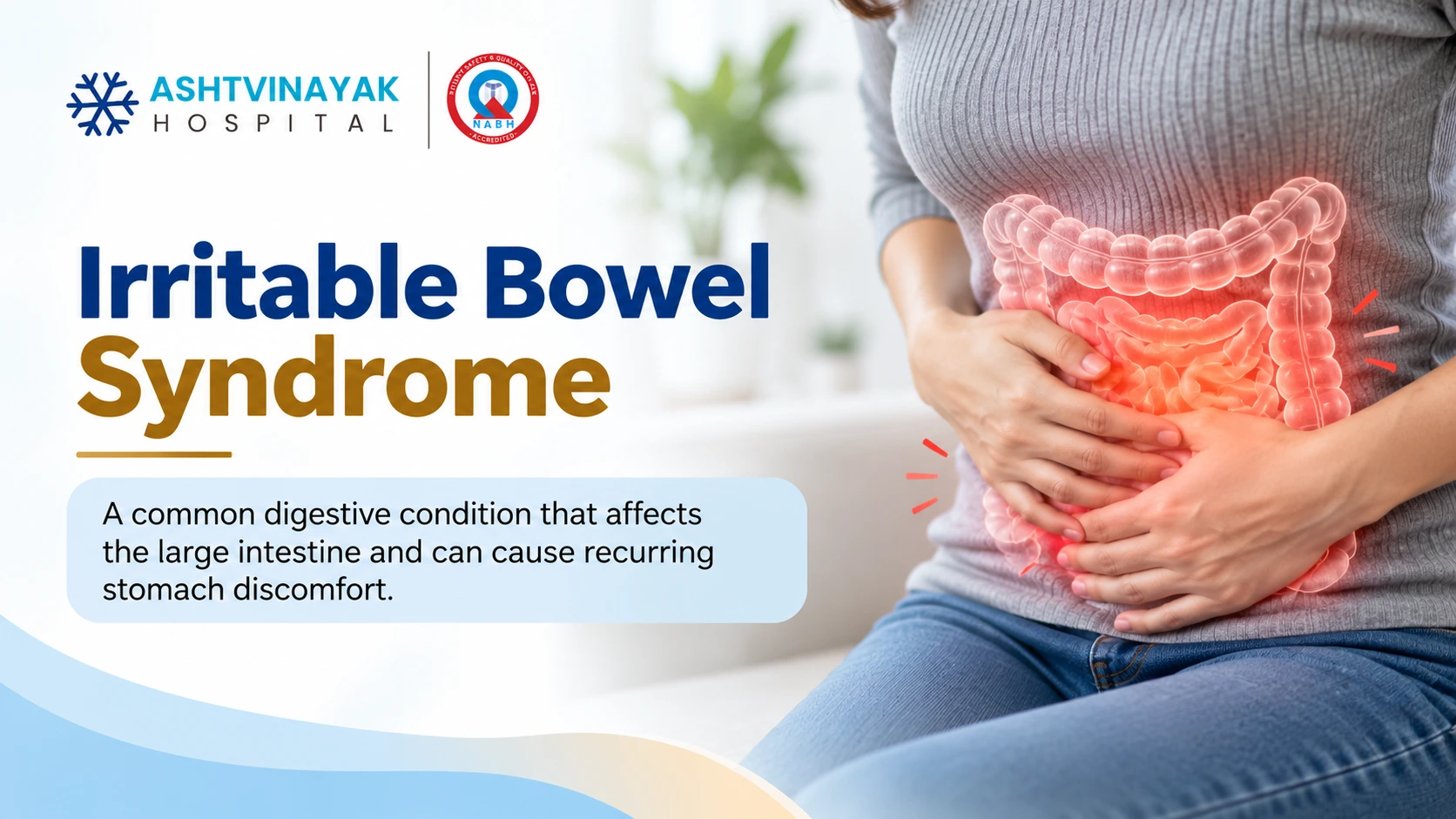
Irritable bowel syndrome, or IBS, can cause abdominal pain, bloating and changes in bowel habits such as diarrhoea, constipation or alternating between the two. It is a functional gastrointestinal disorder, meaning symptoms can occur without visible structural damage to the digestive tract.
Management may involve dietary adjustments, lifestyle measures and medicines depending on the symptoms.
Liver and Gallbladder Conditions
Gastroenterology also covers several liver and gallbladder problems. These can include fatty liver disease, hepatitis, gallstones and other conditions affecting bile flow or liver function.
Some liver conditions may cause few or no symptoms in the early stages, making medical evaluation important when risk factors or abnormal blood test results are present.
What Symptoms May Require a Gastroenterology Consultation?
Digestive symptoms are common, but persistent or recurring problems should not always be ignored. Ongoing abdominal pain, frequent heartburn, unexplained weight loss, difficulty swallowing, repeated vomiting, prolonged diarrhoea or constipation and changes in bowel habits may require evaluation.
Blood in the stool, black stools, vomiting blood, severe abdominal pain or sudden worsening of symptoms requires prompt medical attention. The appropriate urgency depends on the severity and associated symptoms.
What Happens During a Gastroenterology Consultation?
A gastroenterology consultation generally begins with a discussion about symptoms, their duration, medical history, medications, diet and lifestyle. The doctor may also ask about bowel habits, previous digestive conditions and relevant family history.
A physical examination may be performed depending on the symptoms. If further evaluation is required, the doctor may recommend blood tests, stool tests, ultrasound or other imaging investigations.
The goal is to identify the possible cause of symptoms and decide whether further testing or treatment is appropriate.
What Tests Are Used in Gastroenterology?
Different tests are selected according to the symptoms and suspected condition. There is no single test used for every digestive problem.
Endoscopy
Upper gastrointestinal endoscopy allows a doctor to examine the lining of the oesophagus, stomach and first part of the small intestine using a flexible camera. It may be recommended for persistent reflux, swallowing difficulties, unexplained upper abdominal symptoms or suspected ulcers and other conditions.
Colonoscopy
A colonoscopy allows examination of the large intestine and rectum using a flexible camera. It can help investigate changes in bowel habits, rectal bleeding and other symptoms. It is also used for colorectal cancer screening in appropriate individuals.
Imaging and Laboratory Tests
Depending on the condition, investigations may include blood tests, stool tests, ultrasound, CT scans or other imaging. These tests can provide information about inflammation, infection, liver function, the gallbladder, pancreas or other digestive organs.
Consult Ashtavinayak Hospital for timely evaluation and care of persistent digestive health concerns.
How Are Gastrointestinal Conditions Treated?
Treatment depends on the diagnosis. Some digestive problems improve with dietary changes, physical activity, weight management, stress management or medicines. Other conditions may require endoscopic procedures or surgery.
For example, acid reflux may be treated with lifestyle measures and acid-reducing medicines, while certain gallstones or gastrointestinal conditions may require a procedure. Treatment should be based on the underlying cause rather than treating symptoms alone.
How Can You Maintain Better Digestive Health?
A balanced diet containing adequate fibre, fruits, vegetables, whole grains and appropriate sources of protein can support digestive health. Drinking enough fluids and maintaining regular physical activity can also help bowel function.
Eating at regular times, limiting foods that trigger individual symptoms and avoiding excessive alcohol can be beneficial. Smoking can also negatively affect overall digestive health.
There is no single diet that works for every digestive condition. People with recurring symptoms may benefit from discussing dietary changes with a healthcare professional instead of making restrictive changes without guidance.
When Should You See a Gastroenterologist?
A gastroenterology consultation may be appropriate when digestive symptoms are persistent, recurrent or affecting daily life. Ongoing heartburn, unexplained abdominal pain, repeated bloating, changes in bowel habits, difficulty swallowing or unexplained weight loss can warrant medical assessment.
Symptoms such as gastrointestinal bleeding, vomiting blood, black stools or severe abdominal pain need prompt medical attention.
Early evaluation can help identify the cause and determine whether lifestyle changes, medication, testing or a procedure is required.
Why Choose Ashtavinayak Hospital for Gastroenterology Care?
Ashtavinayak Hospital provides medical care for a range of health concerns, including conditions that may require evaluation of the digestive system.
Digestive symptoms can have several possible causes, so an appropriate clinical assessment is an important first step. The medical team can review symptoms, medical history and relevant investigations to help guide treatment according to the individual’s condition.
FAQ
What is gastroenterology in simple words?
Gastroenterology is the medical speciality concerned with the digestive system and related organs, including the oesophagus, stomach, intestines, liver, gallbladder and pancreas.
What does a gastroenterologist do?
A gastroenterologist evaluates and treats conditions affecting the digestive system. They may also perform procedures such as upper gastrointestinal endoscopy and colonoscopy when clinically required.
When should I visit a gastroenterologist?
Consider a consultation for persistent heartburn, abdominal pain, bowel habit changes, difficulty swallowing, recurrent vomiting, unexplained weight loss or other ongoing digestive symptoms.
Is gastroenterology only related to stomach problems?
No. Gastroenterology covers much more than the stomach. It includes conditions affecting the intestines, oesophagus, liver, gallbladder, bile ducts and pancreas as well.
What tests can a gastroenterologist recommend?
No. Many digestive symptoms have relatively simple causes. However, persistent, worsening or unusual symptoms should be medically evaluated, particularly when accompanied by bleeding, severe pain or unexplained weight loss.
Conclusion
What is Gastroenterology can be answered simply: it is the branch of medicine focused on the digestive system and related organs. It covers conditions affecting the oesophagus, stomach, intestines, liver, gallbladder and pancreas.
Persistent digestive symptoms should not be ignored, especially when they interfere with daily activities or are accompanied by warning signs. A timely medical evaluation can help identify the underlying cause and guide appropriate care.