Knee Surgery Price in India: Full Cost Breakdown
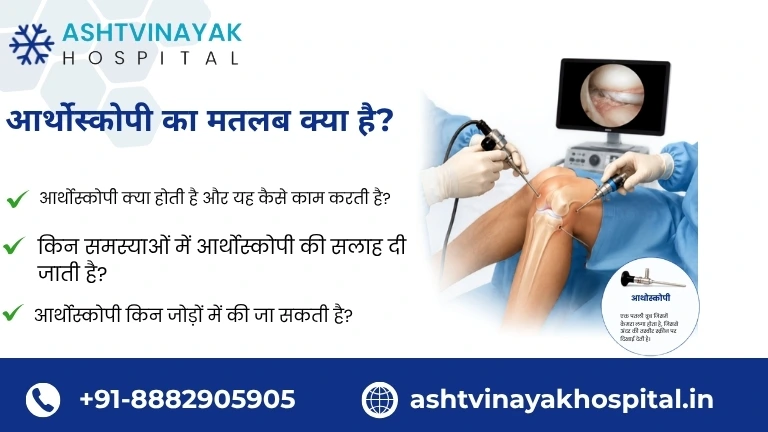
Knee Surgery Cost in India: Price & Factors Guide Book An Appointment Knee pain rarely starts as something serious—it usually begins with a small discomfort that most people ignore, thinking it’ll go away on its own. But over time, that mild pain slowly turns into something that starts affecting your everyday life. Simple things like walking, climbing stairs, sitting for long hours, or even standing can become uncomfortable and tiring. And just when you’re trying to manage it with home remedies or painkillers, the doctor might suggest something you weren’t expecting—knee surgery. That’s when the biggest concern hits your mind: how much is this actually going to cost? Is it affordable? Will insurance cover it? Is it really worth spending that much? The truth is, knee surgery cost in India isn’t a fixed number—it depends on multiple factors. And understanding these factors is important before making any decision, so let’s break it down in a simple way. What is the average knee surgery price in India? So if we talk straight numbers, the knee surgery price in India usually falls somewhere between ₹1,20,000 to ₹4,80,000 per knee. That’s a big range, right? That’s because not every surgery is the same. Some are simple, some are complex, some use advanced tech. Most people who go for a standard knee replacement end up paying around ₹1.5 lakh to ₹3.5 lakh. But again, this is just an average. Your actual cost can go a little lower or higher. Also, if you’re getting it done in a metro city like Mumbai, prices might be slightly on the higher side compared to smaller cities. Not always, but generally yes. What are the different types of knee surgeries and their cost? Not everyone needs a full knee replacement. There are different types of surgeries, and that’s where the price difference mostly comes in. How much does total knee replacement cost? This is the most common one. If your knee joint is badly damaged, doctors usually suggest total knee replacement. The cost here is around ₹2,00,000 to ₹4,80,000 per knee. It sounds a lot, but this includes replacing the whole joint with an artificial one, so yeah… it makes sense. What is the cost of partial knee replacement? In some cases, only a part of the knee is damaged. So instead of replacing the whole thing, doctors just fix that part. This costs less, usually between ₹1,20,000 to ₹2,40,000. Recovery is also a bit quicker in many cases. What is the cost of robotic knee surgery? Now this is the advanced version. Robotic surgery is more precise and many people prefer it nowadays. But yes, it’s expensive. The cost can go from ₹3,50,000 to ₹6,50,000. You’re basically paying for better accuracy and technology here. Why does knee surgery price vary so much? If you’ve already checked 2–3 hospitals, you probably noticed this… the knee surgery price is never the same. And honestly, there are a lot of reasons behind it. First is the implant. Indian implants are cheaper, imported ones cost more. Then comes the surgeon’s experience. A highly experienced doctor might charge more, which is fair. Hospital type also matters. A big multi-speciality hospital will obviously cost more than a smaller one. Then there are small things which add up… room type, tests, medicines, post-surgery care. Individually they don’t feel much, but together they increase the total bill. What is included in knee surgery cost? Usually when hospitals give a package, it includes most of the important things. Like surgeon fees, operation theatre charges, anesthesia, implant, and hospital stay for a few days. Basic medicines and tests are also covered. But not everything is included always. For example, long-term physiotherapy or premium implants may cost extra. So it’s better to ask clearly what’s included and what’s not… before finalising anything. Is knee surgery covered by insurance in India? Yes, in most cases it is covered. Which is honestly a big relief. But there are some conditions. Like waiting periods, especially if it’s a pre-existing problem. Some policies also have limits on implant cost. And robotic surgery? Sometimes it’s only partially covered. So yeah, don’t assume everything is covered. Just check your policy once properly. Which is better: knee surgery in metro cities or smaller cities? This one is a bit tricky. Metro cities have better infrastructure, advanced machines, and very experienced doctors. But yes, they can be slightly expensive. Smaller cities are more affordable. And honestly, many of them provide really good treatment too. So instead of just focusing on location, it’s better to check the doctor’s experience and hospital reputation. How can you reduce knee surgery cost? Not everyone wants to spend lakhs, and that’s completely understandable. The good thing is, there are ways to manage the knee surgery price. Can choosing the right implant reduce cost? Yes, definitely. If you go for a standard implant instead of a premium imported one, the cost comes down quite a bit. And in many cases, results are still good. Does insurance or government schemes help? Yes, a lot actually. Health insurance can cover a big portion. Also, there are some government schemes that help reduce the cost further. Apart from that, comparing hospital packages and avoiding unnecessary extras can also save money. Why choose Ashtvinayak Hospital for knee surgery? Choosing the right hospital is just as important as the surgery itself. Ashtvinayak Hospital focuses on keeping things simple and transparent. The pricing is reasonable, doctors are experienced, and the overall care is patient-friendly. From the first consultation to recovery, everything is handled properly so patients don’t feel lost in the process. Conclusion So yeah, the knee surgery price in India can vary a lot, but overall it’s still affordable compared to many other countries. The main thing is not just the cost… it’s about getting the right treatment at the right place. Take your time, compare options, ask questions, and then decide. That usually works best. FAQ’s It usually starts from around ₹1,20,000, depending on the
Cervical Cancer Kya Hota Hai: लक्षण और इलाज

Cervical Cancer Kya Hota Hai? लक्षण, कारण और इलाज Book An Appointment महिलाओं की सेहत से जुड़ी कई बीमारियाँ ऐसी होती हैं जिनके बारे में समय पर जानकारी होना बेहद जरूरी है। सर्वाइकल कैंसर भी उनमें से एक गंभीर बीमारी है, जो अगर शुरुआत में पकड़ में आ जाए तो इसका इलाज संभव है। लेकिन जागरूकता की कमी के कारण कई महिलाएँ इसके लक्षणों को नजरअंदाज कर देती हैं, जिससे स्थिति गंभीर हो जाती है। इस लेख में हम सर्वाइकल कैंसर क्या होता है, इसके लक्षण, कारण, जांच और इलाज के बारे में विस्तार से समझेंगे, ताकि आप सही समय पर सही कदम उठा सकें। Cervical Cancer kya hota hai? सर्वाइकल कैंसर एक ऐसा कैंसर है जो महिलाओं के गर्भाशय के निचले हिस्से यानी सर्विक्स (cervix) में होता है। यह हिस्सा गर्भाशय को योनि से जोड़ता है। जब इस हिस्से की कोशिकाएँ असामान्य रूप से बढ़ने लगती हैं और नियंत्रण से बाहर हो जाती हैं, तब यह कैंसर का रूप ले लेता है। शुरुआती अवस्था में यह बीमारी धीरे-धीरे विकसित होती है और अक्सर इसके कोई स्पष्ट लक्षण नहीं दिखाई देते। यही कारण है कि नियमित जांच कराना बहुत जरूरी होता है। समय रहते इसकी पहचान हो जाए तो इसे पूरी तरह ठीक किया जा सकता है, लेकिन देर होने पर यह शरीर के अन्य हिस्सों में भी फैल सकता है। सर्वाइकल कैंसर के शुरुआती लक्षण क्या हैं? सर्वाइकल कैंसर के शुरुआती लक्षण अक्सर बहुत हल्के होते हैं या कई बार बिल्कुल भी दिखाई नहीं देते। यही वजह है कि महिलाएँ इसे सामान्य समस्या समझकर नजरअंदाज कर देती हैं। लेकिन कुछ संकेत ऐसे होते हैं जिन पर ध्यान देना जरूरी है, जैसे कि असामान्य योनि से खून आना, खासकर पीरियड्स के बीच या संबंध बनाने के बाद। इसके अलावा, लगातार या बदबूदार डिस्चार्ज, पेल्विक एरिया में दर्द, और संभोग के दौरान दर्द भी इसके संकेत हो सकते हैं। कई बार पीठ के निचले हिस्से में दर्द या बार-बार पेशाब की समस्या भी देखने को मिलती है। अगर ऐसे कोई लक्षण लंबे समय तक बने रहते हैं, तो तुरंत डॉक्टर से सलाह लेना चाहिए। सर्वाइकल कैंसर कितना खतरनाक है? सर्वाइकल कैंसर की गंभीरता इस बात पर निर्भर करती है कि इसे किस स्टेज में पहचाना गया है। शुरुआती स्टेज में यह कैंसर धीरे-धीरे बढ़ता है और इसका इलाज काफी हद तक सफल होता है। लेकिन अगर इसे नजरअंदाज किया जाए और यह आगे बढ़ जाए, तो यह आसपास के टिशू और शरीर के अन्य अंगों जैसे ब्लैडर या लंग्स तक फैल सकता है। इस स्थिति में इलाज जटिल हो जाता है और मरीज की जान को खतरा भी हो सकता है। इसलिए यह कहना गलत नहीं होगा कि यह एक खतरनाक बीमारी है, लेकिन सही समय पर पहचान और इलाज से इसे नियंत्रित और ठीक किया जा सकता है। सर्वाइकल कैंसर के मुख्य कारण क्या हैं? सर्वाइकल कैंसर का सबसे बड़ा कारण एक वायरस संक्रमण होता है, लेकिन इसके अलावा भी कई ऐसे फैक्टर हैं जो इसके खतरे को बढ़ाते हैं। कम उम्र में यौन संबंध बनाना, एक से ज्यादा पार्टनर होना, या ऐसे पार्टनर के साथ संबंध होना जिसे HPV संक्रमण हो, यह सभी जोखिम को बढ़ाते हैं। इसके अलावा, कमजोर इम्यून सिस्टम, लंबे समय तक ओरल कॉन्ट्रासेप्टिव्स का इस्तेमाल, और धूम्रपान भी इसके प्रमुख कारणों में शामिल हैं। साफ-सफाई की कमी और नियमित जांच न करवाना भी इस बीमारी के बढ़ने में योगदान देता है। क्या HPV संक्रमण इसका मुख्य कारण है? हाँ, सर्वाइकल कैंसर का सबसे प्रमुख कारण HPV यानी ह्यूमन पैपिलोमा वायरस होता है। यह एक आम वायरस है जो यौन संपर्क के जरिए फैलता है। HPV के कई प्रकार होते हैं, लेकिन उनमें से कुछ हाई-रिस्क टाइप ऐसे होते हैं जो सर्वाइकल कैंसर का कारण बन सकते हैं। ज्यादातर मामलों में शरीर खुद इस वायरस को खत्म कर देता है, लेकिन कुछ महिलाओं में यह लंबे समय तक बना रहता है और धीरे-धीरे कैंसर का रूप ले सकता है। इसलिए HPV संक्रमण को हल्के में नहीं लेना चाहिए और समय-समय पर जांच करवाना जरूरी होता है। क्या लाइफस्टाइल और आदतें इसका कारण बन सकती हैं? जी हाँ, लाइफस्टाइल और कुछ आदतें भी सर्वाइकल कैंसर के जोखिम को बढ़ा सकती हैं। धूम्रपान करने वाली महिलाओं में इस कैंसर का खतरा ज्यादा होता है क्योंकि यह शरीर की रोग प्रतिरोधक क्षमता को कमजोर करता है। इसके अलावा, असुरक्षित यौन संबंध, खराब हाइजीन, और पोषण की कमी भी इसके जोखिम को बढ़ाते हैं। अगर कोई महिला नियमित रूप से स्वास्थ्य जांच नहीं कराती, तो शुरुआती संकेत छूट सकते हैं, जिससे बीमारी बढ़ सकती है। इसलिए एक स्वस्थ जीवनशैली अपनाना और नियमित चेकअप करवाना बेहद जरूरी है। क्या सर्वाइकल कैंसर ठीक हो सकता है? अगर सर्वाइकल कैंसर को शुरुआती अवस्था में पहचान लिया जाए, तो इसका इलाज पूरी तरह संभव है। कई मामलों में सर्जरी, रेडिएशन और कीमोथेरेपी की मदद से मरीज को ठीक किया जा सकता है। जैसे-जैसे कैंसर की स्टेज बढ़ती है, इलाज थोड़ा जटिल हो जाता है, लेकिन फिर भी आधुनिक चिकित्सा पद्धतियों की मदद से इसे नियंत्रित किया जा सकता है और मरीज की जीवन गुणवत्ता बेहतर की जा सकती है। इसलिए सबसे जरूरी बात यह है कि समय पर जांच और सही इलाज करवाया जाए। सर्वाइकल कैंसर की जांच कैसे की जाती है? सर्वाइकल कैंसर की जांच के लिए कुछ खास टेस्ट किए जाते हैं, जो इस बीमारी को शुरुआती स्टेज में पकड़ने में मदद करते हैं। डॉक्टर सबसे पहले मरीज के लक्षण और मेडिकल हिस्ट्री के बारे में जानकारी लेते हैं, उसके बाद पैप स्मीयर टेस्ट और HPV टेस्ट की सलाह दी जाती है। जरूरत पड़ने पर बायोप्सी या अन्य जांच भी की जा सकती है। इन जांचों की मदद से यह पता लगाया जाता है कि कोशिकाओं में कोई असामान्यता है या नहीं। पैप स्मीयर टेस्ट क्या होता है? पैप स्मीयर टेस्ट एक सरल और प्रभावी जांच है, जिसमें सर्विक्स से कुछ कोशिकाएँ लेकर उनका परीक्षण किया जाता है। इस टेस्ट का उद्देश्य यह देखना होता है कि कहीं कोशिकाओं में कोई असामान्य बदलाव तो नहीं हो
Chemotherapy Kya Hoti Hai: इलाज और जानकारी
Chemotherapy Kya Hoti Hai? इलाज, प्रक्रिया और पूरी जानकारी Book An Appointment कीमोथेरेपी आज के समय में कैंसर के इलाज का एक बेहद महत्वपूर्ण और प्रभावी तरीका माना जाता है। जब किसी व्यक्ति को कैंसर जैसी गंभीर बीमारी का पता चलता है, तो उसके मन में सबसे पहले यही सवाल आता है कि अब आगे क्या होगा और इलाज कैसे होगा। ऐसे में कीमोथेरेपी का नाम सबसे ज्यादा सुनने को मिलता है। लेकिन बहुत से लोगों को यह पूरी तरह समझ नहीं होता कि कीमोथेरेपी आखिर होती क्या है, यह कैसे काम करती है और इसके दौरान किन बातों का ध्यान रखना जरूरी होता है। इस लेख में हम कीमोथेरेपी से जुड़ी हर जरूरी जानकारी आसान और समझने लायक भाषा में जानेंगे, ताकि मरीज और उनके परिवार दोनों इस प्रक्रिया को बेहतर तरीके से समझ सकें और मानसिक रूप से तैयार हो सकें। Chemotherapy kya hoti hai? कीमोथेरेपी एक ऐसा चिकित्सा उपचार है जिसमें विशेष प्रकार की दवाओं का उपयोग करके शरीर में मौजूद कैंसर कोशिकाओं को नष्ट करने की कोशिश की जाती है। यह दवाएं बहुत शक्तिशाली होती हैं और तेजी से बढ़ने वाली कोशिकाओं पर असर डालती हैं। चूंकि कैंसर कोशिकाएं सामान्य कोशिकाओं की तुलना में बहुत तेजी से बढ़ती हैं, इसलिए कीमोथेरेपी इन पर प्रभावी तरीके से काम करती है। कीमोथेरेपी को अलग-अलग तरीकों से दिया जा सकता है, जैसे इंजेक्शन के जरिए, ड्रिप (IV) के माध्यम से या कुछ मामलों में टैबलेट के रूप में भी। इलाज का तरीका मरीज की स्थिति, कैंसर के प्रकार और उसकी स्टेज पर निर्भर करता है। कीमोथेरेपी क्यों दी जाती है? कीमोथेरेपी का मुख्य उद्देश्य कैंसर कोशिकाओं को खत्म करना या उनकी वृद्धि को रोकना होता है। लेकिन इसका उपयोग सिर्फ एक ही कारण से नहीं किया जाता। कई बार यह ट्यूमर को छोटा करने के लिए दी जाती है ताकि सर्जरी करना आसान हो जाए। कुछ मामलों में सर्जरी के बाद बची हुई कैंसर कोशिकाओं को खत्म करने के लिए भी इसका उपयोग किया जाता है। इसके अलावा, जब कैंसर शरीर के दूसरे हिस्सों में फैल चुका होता है, तब कीमोथेरेपी का उद्देश्य रोग को नियंत्रित करना और मरीज के जीवन की गुणवत्ता को बेहतर बनाना होता है। कीमोथेरेपी कैसे काम करती है? कीमोथेरेपी की दवाएं शरीर में जाकर उन कोशिकाओं को निशाना बनाती हैं जो तेजी से विभाजित हो रही होती हैं। कैंसर कोशिकाएं लगातार बढ़ती और फैलती रहती हैं, इसलिए ये दवाएं उनके डीएनए को नुकसान पहुंचाकर उन्हें नष्ट करने का काम करती हैं। हालांकि, शरीर में कुछ सामान्य कोशिकाएं भी तेजी से बढ़ती हैं, जैसे बालों की जड़ें, त्वचा और पाचन तंत्र की कोशिकाएं। यही कारण है कि कीमोथेरेपी का असर इन पर भी पड़ता है और साइड इफेक्ट्स दिखाई देते हैं। कीमोथेरेपी किन बीमारियों में दी जाती है? कीमोथेरेपी का उपयोग मुख्य रूप से कैंसर के इलाज में किया जाता है। इसमें ब्रेस्ट कैंसर, फेफड़ों का कैंसर, ब्लड कैंसर, ओवेरियन कैंसर और सर्वाइकल कैंसर जैसे कई प्रकार शामिल हैं। कुछ दुर्लभ स्थितियों में कीमोथेरेपी का उपयोग कैंसर के अलावा अन्य बीमारियों में भी किया जाता है, लेकिन इसका प्रमुख उपयोग कैंसर के उपचार में ही होता है। क्या कैंसर के हर प्रकार में कीमोथेरेपी दी जाती है? हर प्रकार के कैंसर में कीमोथेरेपी जरूरी नहीं होती। कुछ कैंसर ऐसे होते हैं जिनका इलाज सर्जरी या रेडिएशन से ही संभव होता है। वहीं कुछ कैंसर ऐसे भी होते हैं जिनमें कीमोथेरेपी सबसे प्रभावी इलाज होती है। डॉक्टर मरीज की स्थिति, कैंसर की स्टेज, उसकी लोकेशन और शरीर की स्थिति को ध्यान में रखकर यह तय करते हैं कि कीमोथेरेपी दी जाए या नहीं। इसलिए हर मरीज का इलाज अलग-अलग होता है। क्या कीमोथेरेपी अकेले या अन्य इलाज के साथ दी जाती है? कीमोथेरेपी कई बार अकेले दी जाती है, लेकिन ज्यादातर मामलों में इसे अन्य उपचारों के साथ मिलाकर दिया जाता है। जैसे सर्जरी से पहले ट्यूमर को छोटा करने के लिए, या सर्जरी के बाद बचे हुए कैंसर कोशिकाओं को खत्म करने के लिए। इसके अलावा, रेडिएशन थेरेपी के साथ भी कीमोथेरेपी दी जा सकती है ताकि इलाज ज्यादा प्रभावी हो सके। इस तरह का संयुक्त उपचार कई मामलों में बेहतर परिणाम देता है। कीमोथेरेपी की प्रक्रिया कैसी होती है? कीमोथेरेपी एक दिन में खत्म होने वाला इलाज नहीं है। यह एक प्रक्रिया होती है जो कई साइकिल्स में दी जाती है। हर साइकिल के बीच कुछ दिनों या हफ्तों का अंतर होता है ताकि शरीर को रिकवरी का समय मिल सके। इलाज शुरू करने से पहले डॉक्टर कई तरह के टेस्ट करते हैं, जैसे ब्लड टेस्ट और स्कैन, ताकि मरीज की स्थिति को समझा जा सके। इसके बाद दवा देने का तरीका तय किया जाता है। जब कीमोथेरेपी दी जाती है, तो मरीज को कुछ समय के लिए अस्पताल में रहना पड़ सकता है या फिर कुछ मामलों में यह डे-केयर प्रक्रिया के रूप में भी हो सकती है, जहां मरीज इलाज के बाद उसी दिन घर जा सकता है। कीमोथेरेपी के साइड इफेक्ट्स क्या होते हैं? कीमोथेरेपी के दौरान कुछ साइड इफेक्ट्स होना सामान्य बात है। इनमें बालों का झड़ना, कमजोरी महसूस होना, मतली और उल्टी, भूख कम लगना, मुंह में छाले और संक्रमण का खतरा बढ़ना शामिल हैं। हालांकि, हर मरीज में साइड इफेक्ट्स अलग-अलग हो सकते हैं। कुछ लोगों को बहुत कम परेशानी होती है, जबकि कुछ को ज्यादा तकलीफ हो सकती है। अच्छी बात यह है कि आजकल इन साइड इफेक्ट्स को कम करने के लिए भी दवाएं उपलब्ध हैं। कीमोथेरेपी के दौरान क्या सावधानियां रखनी चाहिए? कीमोथेरेपी के दौरान मरीज को अपने स्वास्थ्य का विशेष ध्यान रखना जरूरी होता है। इस समय शरीर की प्रतिरोधक क्षमता कमजोर हो जाती है, इसलिए संक्रमण से बचाव बहुत जरूरी है। मरीज को साफ-सफाई का ध्यान रखना चाहिए, बाहर का खाना कम करना चाहिए और पौष्टिक आहार लेना चाहिए। पर्याप्त पानी पीना और आराम करना भी उतना ही जरूरी है। इसके अलावा, किसी भी असामान्य लक्षण जैसे तेज बुखार, लगातार उल्टी या ज्यादा कमजोरी होने पर तुरंत डॉक्टर से संपर्क करना चाहिए। सर्वाइकल कैंसर के शुरुआती लक्षण क्या हैं? सर्वाइकल
Pediatrician in Hindi: पीडियाट्रिशियन का मतलब क्या होता है?
Pediatrician in Hindi: पीडियाट्रिशियन का मतलब क्या होता है? Book An Appointment पीडियाट्रिशियन वह डॉक्टर होता है जो बच्चों के स्वास्थ्य, विकास और बीमारियों के इलाज में विशेषज्ञ होता है। यह डॉक्टर नवजात शिशु से लेकर किशोरावस्था तक के बच्चों की देखभाल करता है। बच्चों का शरीर और उनकी जरूरतें बड़ों से अलग होती हैं, इसलिए उनके लिए अलग विशेषज्ञ की आवश्यकता होती है, जिसे पीडियाट्रिशियन कहा जाता है। पीडियाट्रिक का मतलब क्या होता है? पीडियाट्रिक एक चिकित्सा शाखा है जो बच्चों के स्वास्थ्य से संबंधित होती है। इसमें बच्चों की शारीरिक, मानसिक और भावनात्मक वृद्धि के साथ-साथ उनकी बीमारियों की पहचान और इलाज शामिल होता है। यह क्षेत्र खास तौर पर इस बात पर ध्यान देता है कि बच्चा सही तरीके से विकसित हो रहा है या नहीं और उसे किसी प्रकार की स्वास्थ्य समस्या तो नहीं है। पीडियाट्रिशियन का हिंदी में क्या अर्थ होता है? पीडियाट्रिशियन का हिंदी में अर्थ “बाल रोग विशेषज्ञ” होता है। यह ऐसा डॉक्टर होता है जो बच्चों की बीमारियों का इलाज करने के साथ-साथ उनके सही विकास और पोषण का भी ध्यान रखता है। बाल रोग विशेषज्ञ बच्चों के स्वास्थ्य को लंबे समय तक बेहतर बनाए रखने में महत्वपूर्ण भूमिका निभाता है। पीडियाट्रिशियन कौन होता है? पीडियाट्रिशियन एक प्रशिक्षित डॉक्टर होता है जिसने बच्चों के इलाज के लिए विशेष शिक्षा और प्रशिक्षण प्राप्त किया होता है। यह डॉक्टर जन्म से लेकर 18 वर्ष तक के बच्चों की सभी प्रकार की स्वास्थ्य समस्याओं को समझने और उनका इलाज करने में सक्षम होता है। वह बच्चों की नियमित जांच करता है, उनके विकास पर नजर रखता है और माता-पिता को सही देखभाल के बारे में मार्गदर्शन देता है। पीडियाट्रिशियन क्या इलाज करता है? पीडियाट्रिशियन बच्चों में होने वाली सामान्य और गंभीर दोनों तरह की बीमारियों का इलाज करता है। इसमें बुखार, सर्दी-खांसी, संक्रमण, पोषण की कमी, एलर्जी, सांस से जुड़ी समस्याएं और विकास में देरी जैसी समस्याएं शामिल होती हैं। इसके अलावा वह टीकाकरण, नियमित जांच और बच्चों के मानसिक स्वास्थ्य पर भी ध्यान देता है ताकि बच्चा पूरी तरह स्वस्थ रह सके। बच्चों में कौन-कौन सी बीमारियां पीडियाट्रिक में आती हैं? पीडियाट्रिक में बच्चों से जुड़ी कई तरह की बीमारियां शामिल होती हैं, जो उनके जन्म के समय से लेकर बढ़ती उम्र तक हो सकती हैं। इनमें शारीरिक बीमारियों के साथ-साथ पोषण, विकास और संक्रमण से जुड़ी समस्याएं भी आती हैं। हर बच्चे की स्थिति अलग होती है, इसलिए इन बीमारियों का समय पर पहचानना और इलाज करना बहुत जरूरी होता है। नवजात शिशु की समस्याएं नवजात शिशुओं में कई तरह की समस्याएं हो सकती हैं जैसे कम वजन, दूध पीने में दिक्कत, पीलिया, सांस लेने में परेशानी या संक्रमण। इस समय बच्चे का शरीर बहुत नाजुक होता है, इसलिए छोटी सी समस्या भी गंभीर बन सकती है। ऐसे में पीडियाट्रिशियन की निगरानी बहुत जरूरी होती है ताकि समय रहते सही इलाज मिल सके। बच्चों में बुखार और संक्रमण बच्चों में बुखार और संक्रमण बहुत आम होते हैं, लेकिन कभी-कभी ये गंभीर भी हो सकते हैं। वायरल या बैक्टीरियल संक्रमण के कारण बुखार, खांसी, गले में दर्द या कमजोरी जैसी समस्याएं हो सकती हैं। पीडियाट्रिशियन इन लक्षणों की जांच करके सही दवा और उपचार देता है जिससे बच्चा जल्दी ठीक हो सके। पोषण और विकास से जुड़ी समस्याएं कई बच्चों में सही पोषण न मिलने के कारण उनका वजन और लंबाई सही तरीके से नहीं बढ़ पाती। इसके अलावा मानसिक और शारीरिक विकास में भी देरी हो सकती है। पीडियाट्रिशियन बच्चे के खान-पान और विकास की नियमित जांच करता है और जरूरत पड़ने पर सही डाइट और सप्लीमेंट की सलाह देता है। एलर्जी और सांस की समस्याएं बच्चों में एलर्जी और सांस से जुड़ी समस्याएं जैसे अस्थमा, सांस फूलना या बार-बार सर्दी होना आम बात है। ये समस्याएं धूल, मौसम या खाने की चीजों से भी हो सकती हैं। पीडियाट्रिशियन इन कारणों की पहचान करके उचित इलाज और सावधानियां बताता है। बच्चों को कब पीडियाट्रिशियन को दिखाना चाहिए? बच्चों के स्वास्थ्य में छोटे-छोटे बदलाव भी नजरअंदाज नहीं करने चाहिए। अगर बच्चा बार-बार बीमार हो रहा है या उसका विकास सही नहीं हो रहा है, तो तुरंत डॉक्टर से सलाह लेना जरूरी होता है। समय पर इलाज कराने से गंभीर समस्याओं से बचा जा सकता है। बार-बार बुखार आने पर अगर बच्चे को बार-बार बुखार आता है या बुखार लंबे समय तक रहता है, तो यह किसी संक्रमण या अन्य समस्या का संकेत हो सकता है। ऐसे में पीडियाट्रिशियन से जांच कराना जरूरी होता है ताकि सही कारण पता चल सके। बच्चे का वजन या विकास सही न होना अगर बच्चा अपनी उम्र के अनुसार वजन या लंबाई में पीछे रह रहा है, तो यह पोषण की कमी या अन्य स्वास्थ्य समस्या का संकेत हो सकता है। पीडियाट्रिशियन इस स्थिति का मूल्यांकन करके सही मार्गदर्शन देता है। खांसी, सर्दी या सांस लेने में परेशानी लगातार खांसी, सर्दी या सांस लेने में कठिनाई होना बच्चों में सामान्य नहीं माना जाता। यह एलर्जी या सांस से जुड़ी बीमारी का संकेत हो सकता है, जिसके लिए डॉक्टर की सलाह जरूरी होती है। टीकाकरण (Vaccination) के लिए बच्चों को समय-समय पर टीके लगवाना बहुत जरूरी होता है ताकि वे गंभीर बीमारियों से सुरक्षित रह सकें। पीडियाट्रिशियन सही समय पर टीकाकरण की जानकारी देता है और इसे सुरक्षित तरीके से पूरा करता है। पीडियाट्रिशियन कैसे जांच और इलाज करता है? पीडियाट्रिशियन सबसे पहले बच्चे के लक्षणों और मेडिकल हिस्ट्री को समझता है। इसके बाद वह शारीरिक जांच करता है और जरूरत पड़ने पर कुछ टेस्ट कराने की सलाह देता है। जांच के आधार पर वह दवाइयां, डाइट प्लान या अन्य उपचार सुझाता है। उसका उद्देश्य सिर्फ बीमारी ठीक करना ही नहीं बल्कि बच्चे का संपूर्ण विकास सुनिश्चित करना होता है। पीडियाट्रिक में कौन-कौन से टेस्ट किए जाते हैं? बच्चों की सही जांच के लिए कुछ सामान्य टेस्ट किए जाते हैं, जिनसे उनकी स्वास्थ्य स्थिति का पता चलता है। ये टेस्ट बच्चे की उम्र और समस्या के अनुसार अलग-अलग हो सकते हैं। ब्लड टेस्ट ब्लड टेस्ट के जरिए शरीर में संक्रमण, एनीमिया या अन्य समस्याओं का पता लगाया जाता है। यह एक महत्वपूर्ण जांच होती है जो कई बीमारियों की
Heart Specialist in Mumbai: Symptoms, Care & Treatment
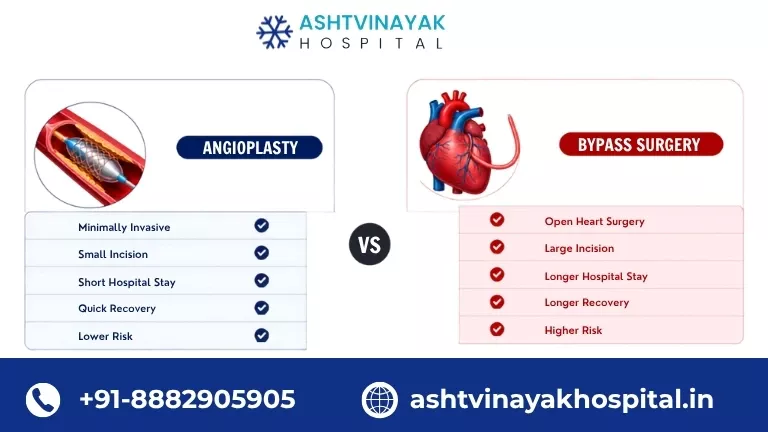
Heart Specialist in Mumbai Book An Appointment Heart problems… honestly many people don’t think about them until something feels wrong. One day you might feel a little pressure in the chest, maybe unusual tiredness after walking a short distance, or breathing feels slightly heavier than normal. People often ignore these things thinking “it’s just stress” or “maybe I didn’t sleep well”. But sometimes these small signals are the body trying to say something important. That’s where visiting a heart specialist in Mumbai becomes important. A cardiologist focuses on checking how the heart is working and whether there are early signs of heart disease. Not every symptom means a serious issue, but getting it checked gives peace of mind and helps avoid bigger problems later. Cities like Mumbai have fast lifestyles, long working hours, and stress which can quietly affect heart health. Because of that, regular cardiac checkups are slowly becoming common for many people, especially after the age of 35 or 40. Hospitals like Ashtvinayak Hospital provide facilities where patients can get their heart evaluated and treated if needed. What Does a Heart Specialist Treat? Many people think a cardiologist only treats heart attacks, but the role of a heart doctor is much broader. A heart specialist in Mumbai deals with several conditions related to the heart and blood circulation, including chest pain, irregular heartbeat, and other cardiac concerns. At Ashtvinayak Hospital, the Cardiology Department focuses on the diagnosis and treatment of various heart conditions. With proper cardiac evaluation and monitoring, doctors help identify heart problems early and guide patients toward the right treatment and preventive care. Some of the common problems treated include coronary artery disease, high blood pressure affecting the heart, blocked arteries, heart rhythm disorders, and heart valve problems. Cardiologists also advise patients who have a family history of heart disease and may benefit from preventive heart checkups. Why early consultation matters Many heart conditions actually develop slowly. People may not notice symptoms in the beginning. Visiting a doctor early makes treatment much easier and prevents complications. What Symptoms Suggest You Should See a Heart Specialist? Yes, habits like healthy eating, regular exercise, avoiding smoking, and managing stress greatly influence heart health. Other symptoms people shouldn’t ignore There are few other symptoms that should not be ignored either: Sudden fatigue without clear reason Irregular or fast heartbeat Feeling dizzy or lightheaded Swelling in feet or ankles If such symptoms appear again and again, visiting a heart specialist in Mumbai helps in identifying the exact reason behind them. How Is Heart Disease Diagnosed? When a patient visits a cardiologist, the first step usually starts with discussion. The doctor asks about symptoms, medical history, lifestyle habits, and family history of heart disease. After that some tests are recommended to evaluate the heart’s condition. One of the most basic tests is an ECG. It records electrical signals from the heart and helps detect rhythm problems or signs of previous heart damage. Another common test is the echocardiogram. It uses ultrasound waves to create images of the heart and shows how well the heart chambers and valves are working. Other tests sometimes recommended Depending on symptoms, doctors may also suggest: Stress test for monitoring heart during physical activity Blood tests for cholesterol and other risk factors Holter monitoring to track heart rhythm for 24 hours A heart specialist in Mumbai reviews all these results before deciding the next step in treatment. What Treatment Options Are Available for Heart Conditions? Heart treatment varies from person to person. Some patients only require medications and lifestyle changes, while others may need procedures to restore blood flow. Medications are commonly prescribed to control blood pressure, manage cholesterol levels, or stabilize heart rhythm. These medicines reduce strain on the heart and prevent further complications. In certain cases, procedures like angiography or angioplasty may be required to treat blocked arteries. These procedures help improve blood flow and reduce the risk of heart attack. Lifestyle changes doctors often suggest Apart from medical treatment, cardiologists usually advise simple lifestyle changes such as: Reducing oily and processed food Walking or exercising regularly Managing stress levels Getting enough sleep These changes might sound basic, but they play a big role in improving heart health. Can Heart Problems Be Prevented? Yes, in many situations heart disease can actually be prevented or delayed with the right habits. While genetics do play a role, lifestyle factors are equally important. A balanced diet rich in fruits, vegetables, and whole grains helps maintain good cholesterol levels. Regular physical activity keeps the heart muscles strong and improves circulation. Smoking is one of the biggest risk factors for heart disease. Quitting smoking significantly lowers the risk of heart attack and other cardiovascular problems. Importance of regular checkups Routine health checkups allow doctors to detect risk factors like high blood pressure or high cholesterol early. Many people visit a heart specialist in Mumbai even when they feel healthy, simply to monitor their heart condition and stay on the safe side. How Proper Orthopedic Care Helps Improve Mobility One of the main goals of orthopedic treatment is helping patients move comfortably again. Pain relief is important, but restoring movement is equally necessary. That’s why rehabilitation and physiotherapy play such a big role in recovery. Gradual exercises help rebuild strength around injured joints. With time, flexibility improves and daily activities become easier again. Patients who follow the doctor’s advice properly, including physiotherapy sessions and follow-up visits, usually recover much better. Ignoring treatment or stopping exercises midway can slow down the healing process. Why Choose Ashtvinayak Hospital for Cardiac Care? Choosing the right hospital for heart care is just as important as choosing the doctor. A hospital with good diagnostic facilities and trained medical staff can make treatment smoother and faster. Ashtvinayak Hospital provides dedicated cardiology services for patients dealing with different heart conditions. The hospital focuses on early diagnosis, careful monitoring, and treatment based on each patient’s needs. Conclusion Heart health is something many people overlook until symptoms start
How to Relieve Chest Tightness: Causes & Relief Tips
How to Relieve Chest Tightness: Causes, Relief Tips & Medical Care Book An Appointment Chest tightness is something many people experience at least once in their life. Sometimes it feels like someone is pressing on your chest, sometimes like a band is wrapped around it. It can be mild and go away after some time, but other times it may feel scary, especially when you don’t know why it’s happening. A lot of patients ask doctors how to relieve chest tightness, especially when it comes suddenly. The answer is not always the same for everyone. For some people, it may be because of stress or anxiety. For others it could be something like acidity, muscle strain, or breathing issues. In rare cases, it might even be connected to heart problems. That’s why it’s important to pay attention to how the body feels. Mild discomfort may settle with some simple steps, but repeated or severe chest tightness should always be checked by a doctor. What Does Chest Tightness Feel Like? People describe chest tightness in different ways. Some say it feels like pressure in the middle of the chest, while others feel heaviness when they try to breathe deeply. Sometimes the discomfort spreads slightly to the shoulders, neck, or upper back. And in a few cases it may come with shortness of breath or mild pain. Common Sensations of Chest Tightness Common sensations people report include: Pressure or squeezing in the chest Feeling like the chest is heavy Slight difficulty while breathing Dull ache or tight feeling that comes and goes For some people it lasts just a few minutes and then disappears. For others it might come back again during stress, after eating, or during physical activity. What Causes Chest Tightness? Chest tightness can happen for many reasons, and not all of them are serious. In fact, everyday health issues can sometimes cause this uncomfortable feeling. Anxiety and Stress One common cause is anxiety or stress. When the body is under stress, muscles around the chest may tighten and breathing may change slightly, which creates that tight sensation. Acid Reflux or Acidity Another reason could be acid reflux or acidity. After a heavy meal or spicy food, stomach acid can irritate the food pipe and give a pressure-like feeling in the chest. Muscle Strain Muscle strain is also possible. Lifting something heavy, sudden twisting movement, or even sitting in a poor posture for long hours can strain chest muscles. Respiratory Conditions Then there are respiratory problems like asthma or bronchitis. These conditions sometimes cause chest tightness along with coughing or wheezing. Heart-Related Conditions And yes, in certain situations chest tightness may also be related to heart conditions, which is why repeated symptoms should not be ignored. How to Relieve Chest Tightness at Home If the tightness is mild and not linked to a serious condition, some simple things may help reduce the discomfort. Try Slow Deep Breathing First thing that helps many people is slow breathing. Taking deep breaths slowly through the nose and breathing out through the mouth can relax the chest muscles and calm the body. Do Gentle Stretching Another thing that may help is gentle stretching. Moving the shoulders, stretching the chest area, or even walking slowly for a few minutes can reduce muscle tension. Manage Acidity and Digestion For people who get chest tightness because of acidity, drinking water and avoiding heavy meals can make a difference. Sitting upright after eating instead of lying down also helps digestion. Use a Warm Compress Some people also feel relief by using a warm compress on the chest area. Heat relaxes muscles and improves blood circulation which can ease that tight feeling. Still, if the discomfort keeps coming back often, home remedies alone are not enough. A proper medical check-up is always a safer choice. Can Anxiety Cause Chest Tightness? Yes, anxiety can definitely cause chest tightness. In fact, it is one of the most common reasons doctors see in younger patients. Why Anxiety Triggers Chest Tightness When someone is anxious or having a panic episode, the body reacts by releasing stress hormones. This response increases heart rate and tightens muscles, especially around the chest and shoulders. Symptoms That May Appear With Anxiety Along with tightness, people may notice other symptoms too like: Fast breathing Sweating Feeling dizzy A sudden sense of panic Usually these symptoms settle when the person calms down and breathing becomes normal again. Ways to Calm Anxiety Symptoms Relaxation exercises, meditation, or even a short walk can help the body settle. But if someone is unsure whether the pain is anxiety or something else, it’s always better to check with a doctor. When Should Chest Tightness Be Taken Seriously? Even though many causes of chest tightness are harmless, there are times when it should never be ignored. Warning Signs That Need Immediate Medical Care Immediate medical help is needed if the tightness happens with symptoms such as: Severe chest pain that doesn’t go away Trouble breathing Pain spreading to the arm, jaw, or back Nausea or cold sweating Feeling faint or dizzy These signs may indicate a serious heart problem. In such cases quick medical treatment can be very important. How Doctors Diagnose the Cause of Chest Tightness When someone visits the hospital with chest discomfort, doctors usually start with a few simple questions. Medical History and Symptom Check They ask when the symptoms started, how long they last, and whether anything makes them better or worse. ECG Test An ECG test is commonly used to check how the heart is functioning. It records electrical activity and helps detect heart rhythm problems. Blood Tests Doctors may also suggest blood tests to look for signs of heart strain or infection. Imaging Tests A chest X-ray can help examine the lungs and nearby structures. In certain cases, stress tests or advanced scans are done to get a clearer idea of what might be causing the problem. These tests help doctors decide the right treatment. Treatment Options
What Happens When Appendix Bursts? Symptoms & Care
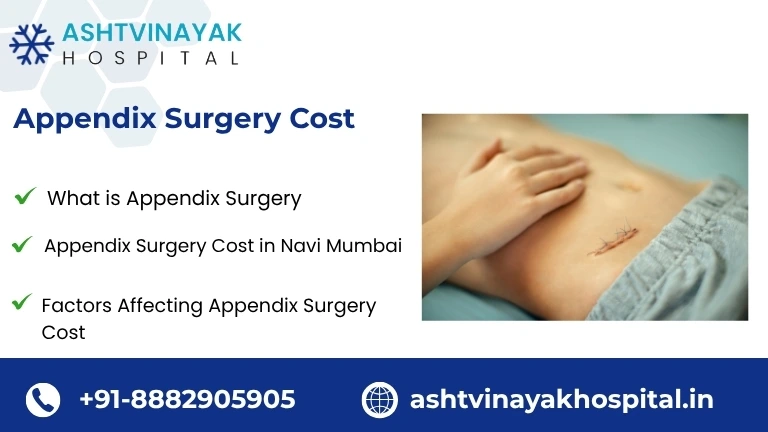
What Happens When Appendix Bursts? Book An Appointment Most people honestly don’t think about their appendix at all. It’s a tiny organ somewhere in the abdomen and for most of life it just stays quiet. But when it gets inflamed, things can change very quickly. Doctors call this condition appendicitis. Many patients end up searching online late at night because of sudden stomach pain and they ask the same thing — what happens when appendix bursts and why doctors always say it’s an emergency. At first the pain may feel like a simple stomach ache. Some people think it’s gas, maybe food poisoning, or just something they ate. But appendicitis usually doesn’t go away like that. The pain slowly increases and starts becoming sharper. Why Early Treatment Is Important If treatment is delayed too long, the swollen appendix can rupture. When that happens, bacteria and infected material leak into the abdomen. And that’s where the real danger begins. Doctors usually stress one thing — if appendicitis is treated early, recovery is much easier. But once rupture happens, treatment becomes more serious and urgent. What Is the Appendix and Why Does It Become Inflamed? The appendix is a small tube-like pouch connected to the large intestine. It sits on the lower right side of the abdomen. Its exact function is still debated and honestly the body can live perfectly fine without it. Common Causes of Appendix Blockage Appendicitis usually happens when the opening of the appendix gets blocked. This blockage might be caused by hardened stool, infection, swelling of tissues, or sometimes even parasites. Once the opening gets blocked, bacteria start multiplying inside the appendix. That causes swelling and inflammation. Pressure begins to build up inside that small pouch. As the pressure increases, blood flow to the appendix wall may decrease. Without proper blood supply the tissue becomes weak. If nothing is done at this stage, the appendix may eventually rupture. This is why doctors always say appendicitis should never be ignored. What Happens When Appendix Bursts Inside the Body People often ask doctors what happens when appendix bursts, and the short answer is — infection spreads inside the abdomen. Infection Inside the Abdomen When the appendix ruptures, bacteria and infected fluid leak out into the abdominal cavity. The lining of the abdomen becomes inflamed, a condition known as peritonitis. Peritonitis is serious and can become life-threatening if not treated quickly. The infection can spread rapidly and cause severe illness. Sometimes the body tries to protect itself by forming a pocket of pus around the infection. Doctors call this an abscess. While it may temporarily contain the infection, it still requires treatment. That’s why once rupture occurs, surgery is almost always needed along with antibiotics to control infection. Warning Signs That Appear Before the Appendix Bursts Appendicitis usually gives several warning signs before things become severe. The problem is that many people ignore these symptoms thinking it’s just normal stomach trouble. IEarly Symptoms of Appendicitis The pain often begins around the belly button area. After a few hours, it usually moves toward the lower right side of the abdomen. This pain gradually becomes stronger. Walking, coughing, or even small movements may make it worse. Some people feel nausea or may vomit. Loss of appetite is also very common. Fever may develop as the infection grows. The abdomen may feel tender when touched, especially on the right side. Some people also experience bloating or difficulty passing gas. If these symptoms appear together, medical attention should not be delayed. How Quickly Can the Appendix Burst? There’s no exact timing for every patient, but generally the appendix can rupture within 24 to 72 hours after symptoms begin. In the beginning the inflammation builds slowly. But once the pressure inside the appendix becomes too high, the wall weakens. Eventually it may tear or burst. Children and older adults sometimes experience faster progression. The tricky part is that early symptoms may feel mild, so people delay going to the hospital. By the time the pain becomes unbearable, rupture may already have happened. That’s why doctors always recommend early evaluation for persistent abdominal pain. Symptoms After the Appendix Bursts Once rupture occurs, symptoms usually become more intense. Severe Symptoms After Rupture The pain may spread across the entire abdomen instead of staying on the right side. Fever often becomes higher and patients may feel chills or weakness. Nausea and vomiting may continue. The abdomen can become swollen and extremely tender. In severe cases infection may enter the bloodstream and cause a condition called sepsis. This situation requires immediate hospital treatment. Because of these risks, sudden worsening abdominal pain should never be ignored. How Doctors Diagnose a Burst Appendix When a patient arrives at the hospital with suspected appendicitis, doctors usually begin with a physical examination. They check the abdomen for tenderness and ask about symptoms such as pain location, nausea, or fever. Diagnostic Tests for Appendix Rupture Blood tests are often done to look for signs of infection. A high white blood cell count usually indicates inflammation. Imaging tests help confirm the diagnosis. Ultrasound is commonly used, especially in younger patients. CT scans provide more detailed images and are very helpful in identifying whether the appendix has ruptured. Once the diagnosis is confirmed, treatment is started quickly. Treatment for a Burst Appendix A ruptured appendix usually requires emergency surgery called an appendectomy. During this procedure, the surgeon removes the damaged appendix. If infection has spread inside the abdomen, doctors may clean the area during surgery. Recovery After Appendix Surgery Antibiotics are also given to control bacterial infection. In some cases where an abscess forms, doctors may drain the infected fluid first before performing surgery. After surgery, patients usually stay in the hospital for monitoring. Recovery time depends on how severe the infection was and how early treatment began. Most patients recover well with proper medical care. Why Choose Ashtvinayak Hospital for Appendix Treatment Appendix rupture is a condition where quick treatment really matters. Ashtvinayak Hospital provides
Orthopedic Doctor in Navi Mumbai for Joint Pain Care
Orthopedic Doctor in Navi Mumbai Book An Appointment Bone or joint pain is something most people ignore in the beginning. Maybe the knee hurts while climbing stairs, or the back feels stiff after sitting long hours at work. Many times we just assume it’s because of age, work stress, or maybe sleeping in the wrong position. But when the pain keeps coming back again and again, it starts affecting normal daily life. That’s when people start searching for an orthopedic doctor in Navi Mumbai. Someone who can actually check what’s going on with the bones or joints and suggest proper treatment. Orthopedic doctors deal with problems related to bones, joints, muscles, ligaments and tendons. Basically all the parts that help the body move. When any of these get injured, weak, or worn out with time, movement becomes painful or difficult. In cities like Navi Mumbai where people have busy routines, long working hours, and a lot of travelling, bone and joint issues are becoming quite common. Some are due to injuries, some due to lifestyle habits, and sometimes just because the body is getting older. Getting the right treatment at the right time can make a big difference. Ignoring the pain usually just makes the condition worse. What Does an Orthopedic Doctor Treat? An orthopedic doctor mainly focuses on problems connected with bones and joints. But actually the field is much wider than most people think. Bone Fractures and Injuries For example, fractures are one of the most common cases. A simple fall at home, road accidents, or sports injuries can lead to broken bones. Proper treatment is necessary so that the bone heals correctly. Then there is arthritis, which is very common in older adults. It causes joint stiffness, swelling, and pain especially in the knees or hips. Some people even find it difficult to walk properly because of it. Sports injuries are another area where orthopedic doctors help a lot. Young people who play football, cricket, or go to the gym sometimes experience ligament tears or muscle strains. Without proper treatment, these injuries may take longer to heal. Back pain, shoulder pain, and knee pain are also very frequent complaints. Many patients visiting an orthopedic doctor in Navi Mumbai actually come because of these everyday problems. When Should You Visit an Orthopedic Doctor? Many people delay visiting a doctor thinking the pain will go away on its own. And sometimes it does, but not always. Signs You Should Not Ignore If pain continues for several days or keeps coming back regularly, it’s usually a sign that something is not right. Swelling around joints, difficulty bending or straightening a limb, or stiffness in the morning are also warning signs. Another important situation is after an accident or fall. Even if the pain feels manageable, there might still be a small fracture or ligament injury that needs medical attention. Older adults often notice joint stiffness while waking up or pain while walking for longer distances. This could be related to arthritis or joint degeneration. Seeing an orthopedic specialist early helps prevent these problems from becoming more serious later. How Bone and Joint Problems Are Diagnosed When someone visits an orthopedic clinic, the process usually starts with a basic physical examination. The doctor checks the affected area, asks about the pain, and observes how the joint moves. Sometimes the diagnosis can be made just through examination, but in many cases imaging tests are required. Imaging Tests for Diagnosis X-rays are commonly used to detect fractures or joint damage. They give a clear picture of the bone structure. If the issue is related to ligaments, muscles, or soft tissues, doctors may suggest MRI scans. These provide more detailed images and help identify internal injuries. In some cases, especially for older patients, bone density tests are done to check if the bones are becoming weak due to conditions like osteoporosis. Once the problem is properly diagnosed, treatment becomes much easier and more effective. Treatment Options for Orthopedic Conditions Not every orthopedic problem requires surgery. In fact, many conditions improve with non-surgical treatment. Medicines are often given to reduce pain and swelling. Physiotherapy is another important part of recovery. Special exercises help strengthen the muscles around the joint and improve movement. Doctors may also suggest small lifestyle changes like maintaining healthy weight, improving posture, or doing regular stretching exercises. When Surgery May Be Needed But in some cases surgery becomes necessary. For example, severe fractures, ligament tears, or advanced joint damage may require surgical treatment. Procedures like joint replacement surgery are now quite common, especially for knee or hip arthritis. These surgeries have improved a lot over the years and patients usually recover faster with proper rehabilitation. Common Orthopedic Problems Seen in Adults There are certain bone and joint problems that doctors see very frequently. Arthritis is one of them. It causes gradual damage to joints and leads to stiffness and pain. Knees are usually the most affected. Back pain is another big issue today. Long hours of sitting, poor posture, and lack of exercise contribute to spine problems. Fractures due to accidents or falls are also very common cases handled by orthopedic departments. Sports injuries like ligament tears, meniscus injuries in the knee, or shoulder problems are seen among younger patients. Because of these issues, many people end up visiting an orthopedic doctor in Navi Mumbai at some point in their life. How Proper Orthopedic Care Helps Improve Mobility One of the main goals of orthopedic treatment is helping patients move comfortably again. Pain relief is important, but restoring movement is equally necessary. That’s why rehabilitation and physiotherapy play such a big role in recovery. At Ashtvinayak Hospital, orthopedic services focus on the diagnosis and treatment of bone and joint conditions such as fractures, arthritis, joint pain, sports injuries, and mobility problems. The goal of orthopedic care is not only to treat the injury but also to help patients regain strength and movement through proper treatment and recovery support. Gradual exercises help
Back Pain in Hindi
Back Pain in Hindi Book An Appointment पीठ दर्द क्या होता है? जीवन में व्यक्ति को होने वाली विभिन्न बीमारियों में से पीठ दर्द सबसे आम है। पीठ के किसी भी हिस्से में होने वाले दर्द को पीठ दर्द कहा जाता है। यह दर्द कभी भी हो सकता है, किसी को भी प्रभावित कर सकता है और इसके कई कारण हो सकते हैं। आमतौर पर, पीठ दर्द हड्डियों, मांसपेशियों और स्नायुबंधन के परस्पर क्रिया करने के तरीके पर निर्भर करता है। पीठ की संरचना और कार्य पीठ एक जटिल शारीरिक संरचना वाला क्षेत्र है जो गर्दन से लेकर श्रोणि तक फैला हुआ है, और यह शरीर के प्राथमिक संरचनात्मक आधार के रूप में कार्य करता है जो मुद्रा, गति और हलचल के लिए आवश्यक है। पीठ दर्द कैसे महसूस होता है पीठ की मांसपेशियों में दर्द जलन या चुभन जैसा महसूस हो सकता है, जिससे जकड़न या अकड़न हो सकती है। दर्द लंबे समय तक बना रह सकता है। पीठ दर्द के मुख्य कारण गलत बैठने या उठने की आदत गलत मुद्रा में बैठने या खड़े होने से पीठ के निचले हिस्से की मांसपेशियों और स्नायुबंधन पर दबाव पड़ सकता है, जिससे दीर्घकालिक असुविधा हो सकती है। मांसपेशियों में खिंचाव अत्यधिक उपयोग, भारी सामान उठाना या अचानक अनुचित हरकतें करने से पीठ के निचले हिस्से की मांसपेशियों और स्नायुबंधन में खिंचाव आ सकता है, जिससे दर्द हो सकता है। स्लिप डिस्क कशेरुकाओं के बीच की डिस्क कुशन की तरह काम करती हैं, लेकिन जब उनमें से कोई एक क्षतिग्रस्त हो जाती है, तो वह आसपास की नसों पर दबाव डाल सकती है, जिससे दर्द होता है। लंबे समय तक बैठकर काम करना शारीरिक गतिविधि की कमी, मोटापा और दैनिक गतिविधियों के दौरान शरीर की खराब मुद्रा से पीठ के निचले हिस्से में दर्द होने का खतरा बढ़ सकता है। भारी वजन उठाना भारी सामान उठाने के बाद पीठ में दर्द आमतौर पर गलत तरीके से उठाने के कारण कमर की मांसपेशियों में खिंचाव, स्नायुबंधन में मोच या डिस्क में चोट लगने से होता है। चोट या एक्सीडेंट मांसपेशियों में खिंचाव होने पर दर्द या पीड़ा महसूस होती है, जिससे उस क्षेत्र में जकड़न हो सकती है। मोच पीठ की मांसपेशियों या टेंडन के अत्यधिक खिंचाव के कारण होती है। यह खिंचाव मांसपेशियों और टेंडन के फटने या अत्यधिक खिंचने के कारण होता है। भारी वजन उठाने, खिंचाव करने या शरीर को मोड़ने से पीठ के निचले हिस्से पर दबाव पड़ता है, जिससे मोच आ जाती है। उम्र बढ़ना और हड्डियों का कमजोर होना उम्र बढ़ने के साथ, रीढ़ की हड्डी की डिस्क में नमी और लचीलापन कम हो जाता है, जिससे दर्द और अकड़न हो सकती है। मोटापा और लाइफस्टाइल फैक्टर पीठ और पेट की कमजोर, अप्रयुक्त मांसपेशियां पीठ दर्द का कारण बन सकती हैं। शरीर का अतिरिक्त वजन पीठ पर अतिरिक्त दबाव डालता है। पीठ दर्द के लक्षण कमर या पीठ में लगातार दर्द पीठ के निचले हिस्से में लगातार, चुभने वाली बेचैनी, जो हिलने-डुलने से बढ़ सकती है। पीठ की मांसपेशियों में अचानक, अनैच्छिक संकुचन या जकड़न। झुकने या उठने में कठिनाई दर्द या अकड़न के कारण सीधे खड़े होने, झुकने या हिलने-डुलने में कठिनाई। पैरों तक दर्द फैलना पीठ के निचले हिस्से से लेकर नितंबों, कूल्हों या पैरों तक फैलने वाली बेचैनी (जिसे अक्सर साइटिका कहा जाता है)। अकड़न और जकड़न पीठ के निचले हिस्से की मांसपेशियों में अकड़न के कारण हिलने-डुलने या झुकने में कठिनाई होना। बैठने या खड़े होने पर दर्द बढ़ना एक ही स्थिति में बहुत देर तक रहने से पीठ के निचले हिस्से का दर्द बढ़ सकता है। पीठ दर्द के प्रकार ऊपरी पीठ दर्द यह पीठ का दर्द गर्दन के निचले हिस्से और पसलियों के निचले भाग के बीच महसूस होता है। आपकी वक्षीय रीढ़ की हड्डी इसी क्षेत्र से होकर गुजरती है। निचली कमर का दर्द यह वह दर्द है जो आपकी पसलियों के नीचे महसूस होता है। आपकी रीढ़ की हड्डी का निचला हिस्सा इसी क्षेत्र से होकर गुजरता है। तीव्र (Acute) पीठ दर्द अचानक होने वाला दर्द जो 6 सप्ताह से कम समय तक रहता है, आमतौर पर चोट या खिंचाव के कारण होता है। पुराना (Chronic) पीठ दर्द गठिया, स्कोलियोसिस या रीढ़ की हड्डी से संबंधित अन्य समस्याएं कमर दर्द होने के जोखिम को बढ़ा सकती हैं। किन लोगों को पीठ दर्द का खतरा अधिक होता है लंबे समय तक बैठकर काम करने वाले बैठने, खड़े होने या वस्तुओं को गलत तरीके से उठाने के दौरान झुकने से मांसपेशियों और रीढ़ की हड्डी पर दबाव पड़ सकता है, जिससे पीठ में लगातार दर्द हो सकता है। भारी वजन उठाने वाले ऐसे काम जिनमें भारी सामान उठाना, बार-बार एक ही तरह की हरकतें करना या लंबे समय तक बैठना पड़ता है, पीठ में खिंचाव और दर्द का कारण बन सकते हैं। इसी तरह, डेस्क पर बैठकर काम करना और सही तरीके से डिज़ाइन न होना भी इस जोखिम को बढ़ा सकता है। बुजुर्ग लोग पीठ दर्द उम्र के साथ अधिक आम हो जाता है, जो लगभग 30 या 40 वर्ष की आयु से शुरू होता है। गर्भवती महिलाएं गर्भावस्था के दौरान बढ़े हुए वजन और बैठने-उठने की मुद्रा में बदलाव से पीठ के निचले हिस्से पर अतिरिक्त दबाव पड़ सकता है। मोटापे से ग्रस्त व्यक्ति अधिक वजन या मोटापे से रीढ़ की हड्डी, विशेष रूप से पीठ के निचले हिस्से पर अतिरिक्त दबाव पड़ता है, जिससे दर्द और चोट लगने का खतरा बढ़ जाता है। पीठ दर्द की जांच कैसे की जाती है? शारीरिक परीक्षण डॉक्टर आपकी शारीरिक मुद्रा, गति की सीमा और मांसपेशियों की ताकत का आकलन करेंगे। वे दर्द के स्थान का सटीक पता लगाने और किसी भी प्रकार की सीमा या तंत्रिका संबंधी समस्या के लक्षणों, जैसे सुन्नपन या झुनझुनी, की पहचान करने के लिए आपको कुछ विशेष गतिविधियाँ करने के लिए कह सकते हैं। एक्स-रे (X-Ray) ये छवियां गठिया या टूटी हुई हड्डियों को दिखाती हैं। लेकिन केवल छवियों से रीढ़ की हड्डी, मांसपेशियों, तंत्रिकाओं या डिस्क को प्रभावित करने वाली स्थितियों का पता नहीं लगाया जा सकता है। एमआरआई (MRI) इन स्कैन से ऐसी छवियां प्राप्त होती हैं जिनसे हर्नियेटेड डिस्क या हड्डियों,
Arthritis in Hindi
Arthritis in Hindi Book An Appointment आर्थराइटिस क्या होता है? यह एक आम बीमारी है जिससे जोड़ों में दर्द, अकड़न और सूजन हो जाती है, और इससे पीड़ित लोगों के लिए दैनिक गतिविधियां चुनौतीपूर्ण हो जाती हैं। गठिया जीवन की गुणवत्ता पर काफी असर डाल सकता है, लेकिन इसके लक्षणों, कारणों और उपचारों को समझने से व्यक्ति अपनी स्थिति को बेहतर ढंग से प्रबंधित कर सकते हैं। आर्थराइटिस का सरल अर्थ गठिया का शाब्दिक अर्थ है जोड़ों में सूजन। यह उन बीमारियों के समूह को संदर्भित करता है जो जोड़ों को प्रभावित करती हैं, जिससे दर्द, अकड़न और सूजन होती है। जोड़ वे स्थान होते हैं जहाँ दो हड्डियाँ मिलती हैं, जैसे कोहनी, उंगलियाँ या घुटना। गठिया के प्राथमिक लक्षणों में जोड़ों और आसपास के ऊतकों में दर्द, अकड़न, सीमित गतिशीलता और सूजन शामिल हैं। जोड़ों में सूजन कैसे विकसित होती है जोड़ों में सूजन या द्रव जमाव तब होता है जब किसी जोड़ में या उसके आसपास अतिरिक्त तरल पदार्थ (रक्त, साइनोवियल द्रव या सूजन वाली कोशिकाएं) जमा हो जाता है, जो अक्सर चोट, सूजन या अंतर्निहित बीमारी के कारण होता है। आर्थराइटिस के प्रमुख प्रकार ऑस्टियोआर्थराइटिस यह एक प्रकार का रोग है जो उम्र के साथ होता है और जोड़ों में उपास्थि के टूटने के कारण होता है, जिससे हड्डियां आपस में रगड़ खाती हैं। यह घुटनों, कूल्हों और हाथों के जोड़ों में सबसे आम है। रूमेटॉइड आर्थराइटिस यह एक ऑटोइम्यून विकार है जिसमें शरीर की प्रतिरक्षा प्रणाली जोड़ों पर हमला करती है। इससे जोड़ों में सूजन आ जाती है, दर्द होता है और लंबे समय तक दर्द बना रहता है। गाउट आर्थराइटिस यह शरीर में यूरिक एसिड का स्तर बढ़ने के कारण होने वाली स्थिति है। इससे सूजन और असहनीय दर्द होता है, खासकर पैर के अंगूठे के जोड़ों में। एंकायलोज़िंग स्पॉन्डिलाइटिस इस प्रकार के स्पॉन्डिलाइटिस के कारण पीठ के निचले हिस्से (कमर और श्रोणि) के जोड़ों में सूजन और दर्द होता है और यह पुरुषों में अधिक आम है। सोरियाटिक आर्थराइटिस यह प्रकार सोरायसिस से पीड़ित लोगों में देखा जाता है, जिसमें मुख्य लक्षण लाल, पपड़ीदार त्वचा और जोड़ों में सूजन हैं। आर्थराइटिस होने के कारण बढ़ती उम्र और जोड़ों का घिसाव ऑस्टियोआर्थराइटिस, जो सबसे आम प्रकार है, बढ़ती उम्र के साथ स्वाभाविक रूप से विकसित होता है। यह जोड़ों में हड्डियों के सिरों को सहारा देने वाली उपास्थि (कार्टिलेज) के टूटने के कारण होता है। समय के साथ, इस क्षति के कारण हड्डियां आपस में रगड़ खाने लगती हैं, जिससे दर्द होता है और गति सीमित हो जाती है। जोड़ों में चोट या संक्रमण इस प्रक्रिया को तेज कर सकते हैं। ऑटोइम्यून समस्याएं मुख्य रूप से, आनुवंशिक प्रवृत्ति RA को ट्रिगर करती है। कुछ जीन ऐसे होते हैं जो किसी व्यक्ति को ऑटोइम्यून स्थितियों के प्रति संवेदनशील बनाते हैं, जिससे उसकी प्रतिरक्षा प्रणाली जोड़ों पर होने वाले हमले पर प्रतिक्रिया करती है। यूरिक एसिड बढ़ना रक्त में यूरिक एसिड का स्तर अधिक होने पर गाउट की समस्या होती है। चोट या पुरानी इंजरी खेल गतिविधियों के दौरान लगी चोटों जैसी पूर्व जोड़ों की चोटें, बाद में जीवन में प्रभावित जोड़ में ऑस्टियोआर्थराइटिस का कारण बन सकती हैं। आनुवंशिक कारण जिन माता-पिता या भाई-बहनों को गठिया है, उनमें स्वयं भी यह बीमारी होने की संभावना अधिक होती है। मोटापा और लाइफस्टाइल फैक्टर धूम्रपान से गठिया होने का खतरा बढ़ जाता है और मौजूदा गठिया के लक्षण और भी बिगड़ सकते हैं। मोटापा जोड़ों पर, विशेष रूप से घुटनों, कूल्हों और रीढ़ की हड्डी पर अतिरिक्त दबाव डालता है, जिससे घुटने के ऑस्टियोआर्थराइटिस का खतरा बढ़ जाता है। आर्थराइटिस के लक्षण जोड़ों में दर्द और सूजन लगातार दर्द और सूजन, जो अक्सर कई जोड़ों को प्रभावित करती है, खासकर हाथों और पैरों के छोटे जोड़ों को। सुबह के समय जकड़न जोड़ों में अकड़न, खासकर सुबह के समय या 30 मिनट से अधिक समय तक निष्क्रिय रहने के बाद। चलने-फिरने में कठिनाई जोड़ों को उनकी पूरी, सामान्य सीमा तक हिलाने में असमर्थता। जोड़ हिलाने पर आवाज जोड़ों में गति के दौरान घर्षण, पीसने या क्लिक करने जैसी ध्वनि आना, उपास्थि क्षति का संकेत है। लालिमा या गर्माहट जोड़ों में सूजन, लालिमा दिखाई दे सकती है और छूने पर वे गर्म महसूस हो सकते हैं। थकान और कमजोरी अत्यधिक थकान और अस्वस्थता की एक सामान्य अनुभूति, जो दैनिक गतिविधियों को काफी हद तक प्रभावित कर सकती है। शरीर के किन हिस्सों में आर्थराइटिस अधिक होता है घुटनों में आर्थराइटिस घुटने शरीर का वजन उठाने वाले मुख्य जोड़ हैं, इसलिए यहाँ आर्थराइटिस सबसे अधिक पाया जाता है।इसके लक्षणों में चलने पर दर्द, सीढ़ियाँ चढ़ते-उतरते समय तकलीफ, सूजन और जकड़न शामिल हैं। समय पर ध्यान न दिया जाए तो घुटनों की गतिशीलता कम हो सकती है। हाथ और उंगलियों के जोड़ यह ऑस्टियोआर्थराइटिस और रुमेटॉइड आर्थराइटिस का एक आम स्थान है, जिससे दर्द होता है और दैनिक कार्यों में कठिनाई होती है। कूल्हे और कंधे शरीर के प्रमुख भार वहन करने वाले जोड़ अक्सर घिसाव (ऑस्टियोआर्थराइटिस) और सूजन से प्रभावित होते हैं। रीढ़ की हड्डी शरीर में अकड़न और दर्द होने की यह एक आम जगह है, जिससे गतिशीलता सीमित हो जाती है। आर्थराइटिस की जांच कैसे होती है? शारीरिक परीक्षण डॉक्टर जोड़ों में सूजन, लालिमा और गर्मी की जांच करेंगे। वे रोगी की गति की सीमा और जोड़ों के समग्र कार्य का आकलन करेंगे। एक्स-रे (X-Ray) इनमें उपास्थि के घिसाव, हड्डियों की अत्यधिक वृद्धि और जोड़ों के बीच की जगह में कमी के संकेतों की जांच की जाती है। एमआरआई (MRI) यदि आवश्यक हो, तो एमआरआई की मदद से उपास्थि, स्नायुबंधन और आसपास के नरम ऊतकों की बारीकी से जांच की जा सकती है। ब्लड टेस्ट रक्त एंटीबॉडी के स्तर, संपूर्ण रक्त गणना और सूजन के मार्करों जैसे कि सी-रिएक्टिव प्रोटीन और एरिथ्रोसाइट अवसादन दर को मापने में मदद करता है। यूरिक एसिड जांच यूरिक एसिड परीक्षण रक्त या मूत्र में यूरिक एसिड के स्तर को मापता है ताकि गाउट का निदान किया जा सके। गाउट एक दर्दनाक, सूजन वाली गठिया है जो उच्च यूरिक एसिड (हाइपरयूरिसेमिया) के कारण होती है, जिससे जोड़ों में क्रिस्टल जमा हो जाते हैं। आर्थराइटिस का इलाज दवाइयों द्वारा उपचार शुरुआती चरणों में, दवाइयां