
Cardiologist in Panvel: Expert Heart Care & Treatment

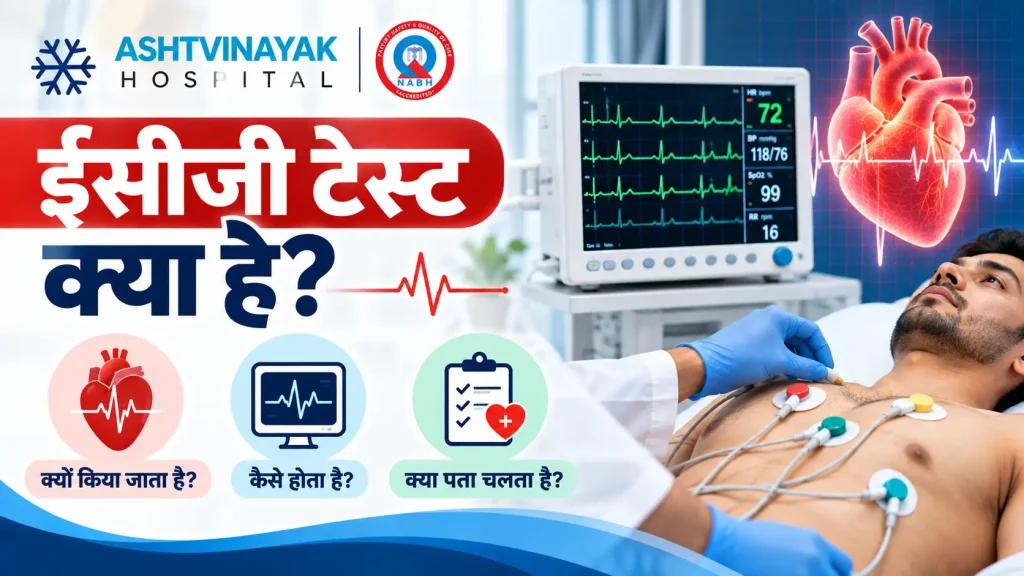
Cardiologist in Panvel: Expert Heart Care for a Healthier Life Taking care of your heart is essential for maintaining a healthy and active life. Today, factors such as busy schedules, stress, lifestyle changes, and health conditions can affect heart health over time. Symptoms like chest discomfort, shortness of breath, unusual tiredness, or irregular heartbeat should not be ignored, as they may be early signs that your heart needs attention. Consulting an experienced cardiologist in Panvel can help with early diagnosis, proper treatment, and preventive care for various heart-related conditions. At Ashtavinayak Hospital, patients receive quality cardiac care with advanced facilities, experienced specialists, and a supportive healthcare approach. What Does a Cardiologist Do? A cardiologist is a healthcare specialist who diagnoses and treats conditions affecting the heart and blood vessels. They help patients understand their heart health through detailed evaluation, diagnostic tests, treatment plans, and regular monitoring. Along with treating heart conditions, cardiologists also guide patients on lifestyle improvements and preventive measures that can support long-term heart wellness. When Should You Visit a Cardiologist in Panvel? Heart-related concerns may develop slowly and sometimes symptoms are easy to overlook. Visiting a cardiologist at the right time can help detect problems early and manage them effectively. Chest Pain or Discomfort Any feeling of pressure, heaviness, or discomfort in the chest should be properly evaluated. A cardiologist can identify the possible cause and suggest the right medical care. Shortness of Breath Feeling breathless during daily activities or even while resting may indicate an underlying heart concern that requires professional attention. Irregular Heartbeat A heartbeat that feels unusually fast, slow, or uneven may be related to heart rhythm issues. Proper diagnosis helps in timely management. High Blood Pressure High blood pressure puts extra strain on the heart. Regular monitoring and expert guidance can help control it and reduce future health risks. Family History of Heart Disease If heart problems run in your family, regular check-ups with a cardiologist can help monitor your heart health and take preventive steps. Why Choose Ashtavinayak Hospital? At Ashtavinayak Hospital, cardiac care is focused on accurate diagnosis, effective treatment, and patient comfort. The hospital provides modern diagnostic support along with experienced medical professionals dedicated to delivering reliable healthcare. Whether you need a routine heart check-up or treatment for a specific cardiac concern, the team ensures personalized care throughout your healthcare journey. Conclusion Choosing the right cardiologist in Panvel can help you take better control of your heart health. Early evaluation, proper diagnosis, and expert medical support play an important role in preventing complications and maintaining a healthier lifestyle. At Ashtavinayak Hospital, patients receive dependable cardiac care focused on accurate diagnosis, advanced facilities, and personalized treatment for better heart health. FAQ’s What does a cardiologist in Panvel treat? A cardiologist in Panvel diagnoses and treats heart-related problems such as chest pain, high blood pressure, irregular heartbeat, and other cardiovascular conditions. When should I consult a cardiologist? You should consult a cardiologist if you notice symptoms like chest discomfort, breathing difficulty, dizziness, frequent palpitations, or have risk factors for heart disease. Can a cardiologist help prevent heart disease? Yes, cardiologists help prevent heart problems by providing health assessments, preventive guidance, and regular monitoring. What tests does a cardiologist usually recommend? A cardiologist may suggest tests like ECG, echocardiography, stress test, Holter monitoring, or blood investigations depending on your symptoms. How often should I visit a cardiologist? The frequency of visits depends on your health condition, age, risk factors, and doctor’s recommendation. A cardiologist in Panvel diagnoses and treats heart-related problems such as chest pain, high blood pressure, irregular heartbeat, and other cardiovascular conditions. You should consult a cardiologist if you notice symptoms like chest discomfort, breathing difficulty, dizziness, frequent palpitations, or have risk factors for heart disease. Yes, cardiologists help prevent heart problems by providing health assessments, preventive guidance, and regular monitoring. A cardiologist may suggest tests like ECG, echocardiography, stress test, Holter monitoring, or blood investigations depending on your symptoms. The frequency of visits depends on your health condition, age, risk factors, and doctor’s recommendation. Call us: +91-88829 05905, +91-85914 45812, +91-85914 31906 Visit us: Plot 10, Sector -6, Khanda Colony, near Khandeshwar Lake, New Panvel West, Navi Mumbai, Maharashtra 410206 Book An Appointment
Heart Blockage Symptoms

Heart Blockage Symptoms: Warning Signs You Should Never Ignore Your heart works continuously to keep your body healthy, but sometimes heart problems can develop silently over time. Heart blockage is one such condition that may not always show obvious signs in the early stages. When the normal blood flow or electrical activity of the heart is affected, it can impact how efficiently the heart functions. Recognizing heart blockage symptoms early can help you take timely action and get the right medical guidance before complications develop. At Ashtavinayak Hospital, we focus on providing accurate diagnosis, compassionate care, and personalized treatment support to help patients maintain better heart health. What Is Heart Blockage? Heart blockage is a condition where the heart does not function as smoothly as it should due to restricted blood circulation or interruptions in the heart’s electrical signals. The condition may range from mild to severe depending on the type and cause of blockage. Getting evaluated at the right time allows doctors to understand your heart condition better and suggest appropriate care. Common Heart Blockage Symptoms Heart blockage symptoms can vary for every individual. Some people notice clear warning signs, while others may experience mild symptoms that are easy to overlook. Being aware of these changes can help you protect your heart health. Chest Pain or Discomfort Chest discomfort is one of the most commonly noticed symptoms related to heart blockage. You may experience: A feeling of pressure or heaviness in the chest Tightness or burning sensation Pain spreading towards the shoulder, arm, neck, or jaw If chest discomfort happens repeatedly or feels unusual, it is important to seek medical advice. Shortness of Breath When the heart struggles to pump blood properly, breathing difficulties may occur. Common signs include: Feeling breathless while walking or exercising Difficulty breathing even during rest Getting tired after simple activities Persistent breathlessness should not be ignored. Unusual Fatigue and Weakness Feeling tired occasionally is normal, but constant tiredness without any clear reason may indicate an underlying heart concern. You may notice: Reduced energy levels Difficulty performing daily tasks Continuous weakness or exhaustion Dizziness or Lightheadedness Changes in blood circulation caused by heart problems can sometimes lead to dizziness. Symptoms may include: Feeling faint Sudden lightheadedness Loss of balance Frequent episodes should be discussed with a healthcare professional. Irregular Heartbeat A change in your normal heartbeat pattern may also be connected with heart-related issues. You may feel: Fast heartbeat Slow heartbeat Skipped beats Fluttering feeling in the chest Monitoring these changes can help in early detection. Sweating and Nausea Some heart-related symptoms may appear similar to other health problems. These can include: Cold sweating Feeling nauseous Sudden unexplained discomfort When these symptoms appear along with chest pain, immediate medical attention is recommended. When Should You See a Doctor? Consider consulting a doctor if you regularly experience: Chest pain or pressure Breathing difficulties Frequent dizziness Unusual tiredness Irregular heartbeat Early medical evaluation helps detect possible concerns and supports better treatment outcomes. How Are Heart Blockages Diagnosed? Doctors recommend tests based on your symptoms, health condition, and medical history. Common tests include: ECG Echocardiography Stress test Blood investigations Angiography Heart rhythm monitoring Accurate diagnosis helps doctors create the most suitable treatment plan. Why Choose Ashtavinayak Hospital? At Ashtavinayak Hospital, patients receive comprehensive heart care with modern diagnostic facilities and experienced healthcare professionals. Our approach focuses on accurate evaluation, personalized treatment guidance, and comfortable patient care throughout the healthcare journey. From diagnosis to ongoing support, we aim to provide dependable care focused on improving heart health and quality of life. Conclusion Understanding heart blockage symptoms can help you identify warning signs early and take better care of your heart. Symptoms such as chest discomfort, breathing problems, tiredness, dizziness, or irregular heartbeat should not be overlooked. At Ashtavinayak Hospital, patients receive trusted medical guidance, advanced diagnosis, and personalized care to support better heart health at every stage. FAQ’s What are the early heart blockage symptoms? Early heart blockage symptoms may include chest discomfort, shortness of breath, unusual tiredness, dizziness, and heartbeat changes. Can heart blockage occur without any symptoms? Yes, some people may not notice symptoms in the beginning. Regular heart check-ups help identify hidden concerns early. Does chest pain always mean heart blockage? No, chest pain can happen due to many conditions. However, frequent or severe chest pain should always be medically evaluated. How do doctors check for heart blockage? Doctors may suggest tests such as ECG, stress tests, echocardiography, angiography, or other heart assessments. Can healthy habits reduce the risk of heart blockage? Yes, maintaining a healthy diet, staying active, managing stress, controlling blood pressure, and avoiding smoking can support heart health. Early heart blockage symptoms may include chest discomfort, shortness of breath, unusual tiredness, dizziness, and heartbeat changes. Yes, some people may not notice symptoms in the beginning. Regular heart check-ups help identify hidden concerns early. No, chest pain can happen due to many conditions. However, frequent or severe chest pain should always be medically evaluated. Doctors may suggest tests such as ECG, stress tests, echocardiography, angiography, or other heart assessments. Yes, maintaining a healthy diet, staying active, managing stress, controlling blood pressure, and avoiding smoking can support heart health. Call us: +91-88829 05905, +91-85914 45812, +91-85914 31906 Visit us: Plot 10, Sector -6, Khanda Colony, near Khandeshwar Lake, New Panvel West, Navi Mumbai, Maharashtra 410206 Book An Appointment
Is Breast Cancer Curable?

Is Breast Cancer Curable? Understanding Treatment and Recovery A breast cancer diagnosis can bring many emotions, concerns, and questions for patients and their families. One of the most common questions people ask is, “Is breast cancer curable?” The answer depends on different factors, including how early it is detected, the type of breast cancer, and the treatment approach. Today, with improved medical advancements, early diagnosis, and personalized treatment options, many breast cancer patients are able to receive effective care and achieve positive outcomes. At Ashtavinayak Hospital, patients receive supportive care focused on accurate diagnosis, proper guidance, and treatment designed according to their needs. What Is Breast Cancer? Breast cancer is a condition where some cells in the breast start growing abnormally. Over time, these cells may form a lump or tumor and can affect nearby tissues if not diagnosed and treated at the right time. While breast cancer is most commonly seen in women, it can also occur in men. Understanding symptoms, regular health check-ups, and timely medical consultation play an important role in improving treatment success. Is Breast Cancer Curable? Yes, breast cancer can be curable in many cases, especially when it is found at an early stage. Early detection gives doctors more treatment options and increases the chances of successful recovery. However, every breast cancer case is different. Recovery depends on factors such as the stage of cancer, type of tumor, overall health of the patient, and how well the body responds to treatment. Regular screenings and awareness can make a significant difference. Factors That Affect Breast Cancer Recovery The possibility of successful breast cancer treatment depends on several important factors. Stage of Breast Cancer The stage shows how much the cancer has grown or spread. Breast cancer detected in the early stages is usually easier to manage and has better treatment outcomes. Type of Breast Cancer There are different types of breast cancer, and each one may behave differently. Identifying the exact type helps doctors choose the most suitable treatment plan. Patient’s Overall Health A patient’s age, general health condition, and medical history can influence treatment decisions and recovery. Response to Treatment Every person responds differently to cancer treatment. Doctors monitor progress regularly and make changes when required for better results. Timely Diagnosis Early diagnosis through screenings and medical evaluation helps detect breast cancer before it becomes more advanced. Why Are Endoscopy and Colonoscopy Important? These procedures are important because many digestive conditions may not show clear symptoms in the beginning. Early diagnosis helps doctors identify problems before they become more serious. Endoscopy and colonoscopy can help detect: Digestive inflammation Ulcers Abnormal growths Bleeding sources Other gastrointestinal conditions Timely testing allows patients to receive suitable treatment and better manage their digestive health. Why Early Breast Cancer Detection Matters Finding breast cancer early can greatly improve treatment options and outcomes. Regular breast awareness, medical examinations, and recommended screenings help identify unusual changes sooner. Taking action when symptoms appear allows doctors to begin suitable treatment at the right time. When Should You Visit a Doctor? It is important to consult a healthcare specialist if you notice: A new lump or swelling in the breast Change in breast size or shape Unusual nipple discharge Changes in breast skin texture Continuous breast discomfort Changes around the nipple area Most breast changes are not cancer, but a proper medical check-up helps find the cause and provides peace of mind. Why Choose Ashtavinayak Hospital? At Ashtavinayak Hospital, patients receive complete healthcare support with a focus on accurate diagnosis, advanced treatment methods, and compassionate care. The hospital’s experienced medical team provides guidance from evaluation to treatment and follow-up care, ensuring patients feel informed and supported throughout their journey. Conclusion The answer to “is breast cancer curable” depends on early detection, proper diagnosis, and receiving the right treatment at the right time. Medical advancements have made it possible for many breast cancer patients to achieve successful recovery and improved quality of life. At Ashtavinayak Hospital, patients receive reliable medical guidance, personalized treatment, and supportive care throughout every stage of their healthcare journey. FAQ’s Is breast cancer curable if found early? Yes, breast cancer detected at an early stage often has better treatment outcomes. Timely diagnosis and proper medical care improve the chances of recovery. Can breast cancer return after successful treatment? Yes, breast cancer can return in some cases. Regular follow-ups and health monitoring help detect any changes early. Which treatment is best for breast cancer? The best treatment depends on the type and stage of breast cancer. Doctors recommend treatment plans based on each patient’s specific condition. Can patients live a normal life after breast cancer treatment? Yes, many patients return to their regular activities and maintain a good quality of life after completing treatment and follow-up care. How can breast cancer be detected early? Breast awareness, routine medical examinations, and recommended screening tests help in early detection. Yes, breast cancer detected at an early stage often has better treatment outcomes. Timely diagnosis and proper medical care improve the chances of recovery. Yes, breast cancer can return in some cases. Regular follow-ups and health monitoring help detect any changes early. The best treatment depends on the type and stage of breast cancer. Doctors recommend treatment plans based on each patient’s specific condition. Yes, many patients return to their regular activities and maintain a good quality of life after completing treatment and follow-up care. Breast awareness, routine medical examinations, and recommended screening tests help in early detection. Call us: +91-88829 05905, +91-85914 45812, +91-85914 31906 Visit us: Plot 10, Sector -6, Khanda Colony, near Khandeshwar Lake, New Panvel West, Navi Mumbai, Maharashtra 410206 Book An Appointment
Immunotherapy in Hindi – इम्यूनोथेरेपी क्या है?

Book An Appointment Immunotherapy in Hindi – इम्यूनोथेरेपी क्या है? आज के समय में कैंसर जैसी गंभीर बीमारियों के इलाज में कई आधुनिक तकनीकों का उपयोग किया जा रहा है। उन्हीं में से एक महत्वपूर्ण उपचार पद्धति है इम्यूनोथेरेपी। पिछले कुछ वर्षों में इम्यूनोथेरेपी ने मेडिकल क्षेत्र में नई उम्मीद पैदा की है, क्योंकि यह शरीर की अपनी प्रतिरक्षा प्रणाली की मदद से बीमारी से लड़ने का काम करती है। जहां पारंपरिक उपचार जैसे कीमोथेरेपी और रेडिएशन सीधे कैंसर कोशिकाओं को नष्ट करने का प्रयास करते हैं, वहीं इम्यूनोथेरेपी शरीर की इम्यून सिस्टम को मजबूत बनाकर कैंसर कोशिकाओं को पहचानने और उन पर हमला करने में मदद करती है। यही कारण है कि कई मरीजों के लिए यह उपचार प्रभावी विकल्प साबित हो रहा है। इम्यूनोथेरेपी का उपयोग केवल कैंसर तक सीमित नहीं है, बल्कि कुछ अन्य बीमारियों में भी इसका उपयोग किया जाता है। हालांकि, यह हर मरीज के लिए समान रूप से प्रभावी हो, ऐसा जरूरी नहीं है। इसलिए डॉक्टर मरीज की स्थिति, बीमारी के प्रकार और शरीर की प्रतिक्रिया को ध्यान में रखकर ही यह उपचार शुरू करते हैं। इस लेख में हम विस्तार से जानेंगे कि इम्यूनोथेरेपी क्या है, यह कैसे काम करती है, किन बीमारियों में इसका उपयोग किया जाता है, इसके फायदे और संभावित साइड इफेक्ट्स क्या हैं, और उपचार के दौरान किन बातों का ध्यान रखना चाहिए। इम्यूनोथेरेपी का मतलब क्या होता है? इम्यूनोथेरेपी एक आधुनिक चिकित्सा पद्धति है जिसमें शरीर की प्रतिरक्षा प्रणाली यानी इम्यून सिस्टम को सक्रिय और मजबूत बनाकर बीमारी से लड़ने में मदद की जाती है। सामान्य रूप से हमारा इम्यून सिस्टम शरीर में मौजूद वायरस, बैक्टीरिया और अन्य हानिकारक तत्वों को पहचानकर उनसे लड़ता है। लेकिन कई बार कैंसर कोशिकाएं इतनी चालाक होती हैं कि वे इम्यून सिस्टम से छिप जाती हैं। इम्यूनोथेरेपी का मुख्य उद्देश्य शरीर की प्रतिरक्षा प्रणाली को इस प्रकार प्रशिक्षित करना होता है कि वह कैंसर कोशिकाओं को पहचान सके और उन्हें नष्ट करने का प्रयास करे। यह उपचार कई अलग-अलग तरीकों से दिया जाता है, जैसे मोनोक्लोनल एंटीबॉडी, चेकपॉइंट इनहिबिटर्स, कैंसर वैक्सीन और CAR-T सेल थेरेपी। हर मरीज के लिए इम्यूनोथेरेपी का प्रकार अलग हो सकता है। डॉक्टर मरीज की बीमारी, उम्र, मेडिकल हिस्ट्री और शरीर की प्रतिक्रिया के अनुसार उपचार का चयन करते हैं। इम्यूनोथेरेपी कैसे काम करती है? इम्यूनोथेरेपी का काम शरीर की प्राकृतिक सुरक्षा प्रणाली को सक्रिय करना है ताकि वह बीमारी से बेहतर तरीके से लड़ सके। कैंसर कोशिकाएं अक्सर खुद को सामान्य कोशिकाओं की तरह दिखाकर इम्यून सिस्टम को भ्रमित कर देती हैं। ऐसे में शरीर उन्हें पहचान नहीं पाता। इम्यूनोथेरेपी इन कैंसर कोशिकाओं की पहचान करने में मदद करती है और इम्यून सिस्टम को उनके खिलाफ सक्रिय बनाती है। कुछ थेरेपी शरीर में मौजूद प्रतिरक्षा कोशिकाओं को मजबूत करती हैं, जबकि कुछ सीधे कैंसर कोशिकाओं को निशाना बनाने में मदद करती हैं। यह उपचार कई बार धीरे-धीरे असर दिखाता है, लेकिन कुछ मरीजों में इसके लंबे समय तक अच्छे परिणाम देखे गए हैं। यही वजह है कि आज कई प्रकार के कैंसर में इम्यूनोथेरेपी का उपयोग तेजी से बढ़ रहा है। शरीर की प्रतिरक्षा प्रणाली को मजबूत बनाना हमारा इम्यून सिस्टम शरीर की रक्षा करने वाली प्राकृतिक ढाल है। जब यह मजबूत होता है, तब शरीर संक्रमण और बीमारियों से बेहतर तरीके से लड़ पाता है। इम्यूनोथेरेपी शरीर की प्रतिरक्षा कोशिकाओं को अधिक सक्रिय बनाती है ताकि वे बीमारी को पहचानकर उससे लड़ सकें। कुछ मरीजों में कैंसर या अन्य गंभीर बीमारियों के कारण इम्यून सिस्टम कमजोर हो जाता है। ऐसे में इम्यूनोथेरेपी प्रतिरक्षा कोशिकाओं की कार्यक्षमता को बढ़ाने में मदद कर सकती है। इससे शरीर की रोग प्रतिरोधक क्षमता बेहतर होती है। कैंसर कोशिकाओं को पहचानना कैंसर कोशिकाओं की सबसे बड़ी समस्या यह होती है कि वे सामान्य कोशिकाओं जैसी दिखाई देती हैं। इसलिए कई बार इम्यून सिस्टम उन्हें पहचान नहीं पाता। इम्यूनोथेरेपी विशेष रूप से इस समस्या को दूर करने में मदद करती है। कुछ प्रकार की इम्यूनोथेरेपी कैंसर कोशिकाओं पर मौजूद विशेष प्रोटीन को पहचानती हैं। इसके बाद शरीर की प्रतिरक्षा प्रणाली उन कोशिकाओं पर हमला करना शुरू कर देती है। इससे कैंसर के फैलाव को नियंत्रित करने में मदद मिल सकती है। रोग से लड़ने की क्षमता बढ़ाना इम्यूनोथेरेपी केवल बीमारी को निशाना नहीं बनाती, बल्कि पूरे शरीर की रोगों से लड़ने की क्षमता को बेहतर बनाने का प्रयास करती है। इससे कई मरीजों में लंबे समय तक बीमारी को नियंत्रित रखने में सहायता मिलती है। कुछ मामलों में यह उपचार कैंसर के दोबारा होने की संभावना को कम करने में भी मदद कर सकता है। हालांकि इसका असर हर मरीज में अलग-अलग हो सकता है। इम्यूनोथेरेपी किन बीमारियों में उपयोग की जाती है? इम्यूनोथेरेपी का सबसे अधिक उपयोग कैंसर के इलाज में किया जाता है, लेकिन इसके अलावा कुछ अन्य बीमारियों में भी इसका उपयोग किया जाता है। यह उपचार निम्न स्थितियों में उपयोगी हो सकता है: फेफड़ों का कैंसर स्किन कैंसर ब्लैडर कैंसर किडनी कैंसर लिम्फोमा ल्यूकेमिया कुछ ऑटोइम्यून बीमारियां डॉक्टर मरीज की जांच और रिपोर्ट्स के आधार पर तय करते हैं कि इम्यूनोथेरेपी उपयोगी होगी या नहीं। कैंसर के इलाज में इम्यूनोथेरेपी की भूमिका कैंसर के इलाज में इम्यूनोथेरेपी को एक महत्वपूर्ण प्रगति माना जाता है। पहले जहां केवल सर्जरी, कीमोथेरेपी और रेडिएशन जैसे विकल्प मौजूद थे, वहीं अब इम्यूनोथेरेपी ने कई मरीजों को नया विकल्प दिया है। कुछ मरीजों में यह उपचार कैंसर को नियंत्रित करने, ट्यूमर का आकार कम करने और जीवन की गुणवत्ता बेहतर बनाने में मदद करता है। कई मामलों में इसे अन्य उपचारों के साथ मिलाकर भी दिया जाता है। हालांकि, हर मरीज में इसका परिणाम समान नहीं होता। कुछ मरीजों में यह बेहद प्रभावी साबित होता है, जबकि कुछ में सीमित लाभ दिखाई देता है। इसलिए विशेषज्ञ डॉक्टर की सलाह बेहद जरूरी होती है। फेफड़ों का कैंसर फेफड़ों के कैंसर में इम्यूनोथेरेपी का उपयोग तेजी से बढ़ा है। खासतौर पर उन मरीजों में जहां कैंसर एडवांस स्टेज में हो या कीमोथेरेपी का असर कम हो रहा हो। कुछ मामलों में इम्यूनोथेरेपी ट्यूमर की वृद्धि को धीमा करने और मरीज की जीवन अवधि बढ़ाने में मदद कर सकती है। डॉक्टर मरीज की स्थिति के
Obesity Meaning in Marathi – लठ्ठपणा म्हणजे काय?

Book An Appointment Ashtvinayak Hospital May 18, 2026 Obesity Meaning in Marathi – लठ्ठपणा म्हणजे काय? आजच्या धावपळीच्या जीवनशैलीमध्ये लठ्ठपणा ही एक अतिशय सामान्य पण गंभीर समस्या बनली आहे. अनेक लोक वजन वाढणे ही फक्त दिसण्याशी संबंधित गोष्ट समजतात, पण प्रत्यक्षात लठ्ठपणा हा अनेक आजारांचे मूळ कारण ठरू शकतो. चुकीचा आहार, व्यायामाचा अभाव, तणाव आणि बदलती जीवनशैली यामुळे आज लहान मुलांपासून मोठ्यांपर्यंत अनेकजण या समस्येला सामोरे जात आहेत. त्यामुळे Obesity Meaning in Marathi म्हणजे काय, त्याची कारणे, लक्षणे, परिणाम आणि त्यावर उपाय काय आहेत हे समजून घेणे खूप महत्त्वाचे आहे. Obesity चा मराठी अर्थ काय? Obesity ला मराठीत “लठ्ठपणा” असे म्हणतात. शरीरात आवश्यकतेपेक्षा जास्त प्रमाणात चरबी साठल्यास त्या स्थितीला लठ्ठपणा म्हटले जाते. फक्त वजन जास्त असणे म्हणजे लठ्ठपणा असे नाही, तर शरीरातील फॅटचे प्रमाण जास्त असणे ही त्यामागची मुख्य समस्या असते. जेव्हा एखाद्या व्यक्तीचे वजन त्याच्या उंचीनुसार खूप वाढते आणि त्यामुळे आरोग्यावर परिणाम होऊ लागतो, तेव्हा ती स्थिती धोकादायक ठरू शकते. लठ्ठपणा हा हळूहळू वाढणारा विकार असल्यामुळे अनेकांना सुरुवातीला त्याची जाणीव होत नाही. मात्र पुढे जाऊन तो मधुमेह, हृदयविकार, उच्च रक्तदाब आणि सांधेदुखी यांसारख्या समस्यांना कारणीभूत ठरू शकतो. लठ्ठपणाची मुख्य कारणे लठ्ठपणामागे अनेक कारणे असू शकतात. काही कारणे जीवनशैलीशी संबंधित असतात, तर काही शारीरिक आणि आनुवंशिक कारणांमुळे निर्माण होतात. चुकीची जीवनशैली आजकाल बहुतांश लोकांचे काम बसून करण्याचे असते. दिवसभर संगणकासमोर बसणे, चालणे कमी होणे आणि व्यायामाचा अभाव यामुळे शरीरातील अतिरिक्त कॅलरी जळत नाहीत. त्याचा परिणाम म्हणून शरीरात चरबी साठू लागते. रात्री उशिरा झोपणे, अपुरी झोप घेणे, सतत मोबाईल किंवा स्क्रीनसमोर वेळ घालवणे यामुळेही वजन वाढण्याची शक्यता वाढते. अनेकजण मानसिक तणावामुळे जास्त खाण्याकडे वळतात आणि त्यामुळेही लठ्ठपणा वाढतो. अयोग्य आहार फास्ट फूड, तळलेले पदार्थ, साखरयुक्त पेये, बेकरी पदार्थ आणि जंक फूड यांचे जास्त सेवन हे लठ्ठपणाचे मोठे कारण मानले जाते. अशा पदार्थांमध्ये कॅलरी जास्त असतात पण पोषणमूल्य कमी असते. अनेकदा लोक वेळेवर जेवत नाहीत किंवा एकाच वेळी खूप जास्त अन्न खातात. बाहेरचे तेलकट पदार्थ वारंवार खाल्ल्याने शरीरात चरबीचे प्रमाण वाढू लागते. पाणी कमी पिणे आणि फळे-भाज्या कमी खाणे याचाही परिणाम वजनावर होतो. हार्मोनल बदल काही वेळा हार्मोन्समधील बदलांमुळेही वजन वाढू शकते. थायरॉईडची समस्या, पीसीओडी, इन्सुलिन रेसिस्टन्स यांसारख्या स्थितींमध्ये शरीराचे वजन नियंत्रणात ठेवणे कठीण होते. महिलांमध्ये गर्भधारणा, प्रसूतीनंतरचे बदल आणि मेनोपॉज दरम्यानही वजन वाढण्याची शक्यता असते. काही औषधांमुळेही शरीराचे वजन वाढू शकते. याशिवाय आनुवंशिक कारणांमुळेही काही लोकांमध्ये लठ्ठपणाची शक्यता जास्त असते. कुटुंबातील इतर सदस्यांना वजन वाढण्याची समस्या असल्यास पुढील पिढीतही हा त्रास दिसू शकतो. मात्र योग्य आहार, नियमित व्यायाम आणि सक्रिय जीवनशैली यांच्या मदतीने लठ्ठपणाचा धोका कमी करता येऊ शकतो. अनेकदा लोक वजन वाढण्याकडे सुरुवातीला दुर्लक्ष करतात, पण वेळेवर योग्य काळजी घेतल्यास पुढे होणाऱ्या गंभीर आरोग्य समस्या टाळणे शक्य होते. लठ्ठपणाची लक्षणे लठ्ठपणाची सुरुवातीची लक्षणे अनेकदा दुर्लक्षित केली जातात. खालील लक्षणे दिसू लागल्यास वजनाकडे गांभीर्याने लक्ष देणे आवश्यक असते. थोडे काम केले तरी दम लागणे सतत थकवा जाणवणे पोट आणि कंबरेभोवती चरबी वाढणे जिने चढताना त्रास होणे घोरण्याची समस्या वाढणे गुडघेदुखी आणि सांधेदुखी आत्मविश्वास कमी होणे जास्त घाम येणे अनेकांना सुरुवातीला ही सामान्य समस्या वाटते, पण पुढे ती गंभीर आरोग्य समस्येत बदलू शकते. लठ्ठपणामुळे होणारे आजार लठ्ठपणा हा फक्त वजन वाढण्यापुरता मर्यादित नसून तो शरीरातील अनेक अवयवांवर परिणाम करतो. लठ्ठपणामुळे शरीरातील मेटाबॉलिझमवरही मोठा परिणाम होतो. शरीरातील अतिरिक्त चरबीमुळे अनेक अवयवांवर सतत ताण येत राहतो. विशेषतः पोटाभोवती वाढणारी चरबी ही अधिक धोकादायक मानली जाते. यामुळे शरीरात सूज निर्माण होण्याची शक्यता वाढते आणि हळूहळू अनेक दीर्घकालीन आजारांचा धोका वाढू लागतो. काही लोकांना वजन वाढल्यामुळे चालणे, बसणे किंवा दैनंदिन कामे करणेही कठीण होऊ लागते. त्यामुळे शारीरिक हालचाल आणखी कमी होते आणि वजन वाढण्याचे चक्र सुरू राहते. लठ्ठपणाचा परिणाम झोपेवरही होऊ शकतो. अनेक लठ्ठ व्यक्तींमध्ये स्लीप ॲपनिया नावाचा विकार आढळतो. या समस्येमध्ये झोपेत श्वास घेण्यास अडथळा निर्माण होतो. त्यामुळे रात्री शांत झोप लागत नाही आणि दिवसभर थकवा जाणवतो. सततची अपुरी झोप देखील वजन वाढण्यामागचे एक कारण ठरू शकते. त्यामुळे योग्य वजन राखणे हे चांगल्या झोपेसाठीही आवश्यक मानले जाते. मधुमेह जास्त वजनामुळे शरीरातील इन्सुलिनची कार्यक्षमता कमी होऊ शकते. त्यामुळे रक्तातील साखरेचे प्रमाण वाढून टाइप 2 मधुमेह होण्याचा धोका वाढतो. लठ्ठ व्यक्तींमध्ये मधुमेहाचे प्रमाण तुलनेने अधिक आढळते. विशेषतः पोटावरील चरबी जास्त असल्यास हा धोका अधिक वाढतो. उच्च रक्तदाब लठ्ठपणामुळे हृदयावर अधिक ताण येतो. त्यामुळे रक्तदाब वाढण्याची शक्यता जास्त असते. उच्च रक्तदाबामुळे पुढे हृदयविकार आणि स्ट्रोकचा धोका वाढू शकतो. याशिवाय लठ्ठपणामुळे खालील समस्या देखील होऊ शकतात: हृदयविकार कोलेस्ट्रॉल वाढणे फॅटी लिव्हर झोपेचे विकार सांधेदुखी श्वास घेण्यास त्रास लठ्ठपणा कसा ओळखला जातो? लठ्ठपणा ओळखण्यासाठी डॉक्टर वजन, उंची आणि शरीरातील चरबीचे प्रमाण तपासतात. त्यामध्ये सर्वात जास्त वापरला जाणारा मापदंड म्हणजे BMI. कंबरेचा घेर, शरीरातील फॅट टक्केवारी आणि इतर आरोग्य तपासण्या यांचाही उपयोग केला जातो. काही वेळा रक्त तपासण्या करून हार्मोनल समस्या किंवा मधुमेहाची शक्यता तपासली जाते. मुलांमध्ये वाढणारा लठ्ठपणा आजकाल मुलांमध्येही लठ्ठपणाचे प्रमाण झपाट्याने वाढताना दिसत आहे. मोबाईल, टीव्ही आणि व्हिडिओ गेम्समुळे मुलांची शारीरिक हालचाल कमी झाली आहे. त्याचबरोबर पिझ्झा, बर्गर, चिप्स आणि कोल्ड ड्रिंक्स यांचे वाढते सेवनही यासाठी कारणीभूत आहे. लहान वयात वाढलेले वजन पुढे मोठ्या आरोग्य समस्यांना कारणीभूत ठरू शकते. अशा मुलांमध्ये मधुमेह, आत्मविश्वास कमी होणे आणि मानसिक तणाव यांसारख्या समस्या दिसू शकतात. पालकांनी मुलांच्या आहाराकडे विशेष लक्ष देणे गरजेचे आहे. मुलांना मैदानी खेळ, व्यायाम आणि संतुलित आहाराची सवय लावणे खूप महत्त्वाचे आहे. मुलांमध्ये वाढणारा लठ्ठपणा हा भविष्यातील आरोग्यासाठी गंभीर इशारा मानला जातो. लहानपणीच वजन जास्त असल्यास पुढे मोठेपणीही लठ्ठपणाची समस्या कायम राहण्याची शक्यता वाढते. त्यामुळे पालकांनी मुलांच्या खाण्यापिण्याच्या सवयींकडे आणि दैनंदिन दिनचर्येकडे लक्ष देणे आवश्यक आहे. मुलांना सतत मोबाईल किंवा टीव्हीसमोर बसू देण्याऐवजी मैदानी खेळांसाठी प्रोत्साहन द्यावे. तसेच चॉकलेट, पॅकेज्ड स्नॅक्स आणि साखरयुक्त पेये यांचे प्रमाण कमी ठेवणे गरजेचे आहे. संतुलित आहार आणि नियमित शारीरिक हालचाल यामुळे मुलांचे वजन नियंत्रणात राहण्यास मदत होते आणि त्यांचे एकूण आरोग्यही चांगले राहते. BMI म्हणजे काय? BMI म्हणजे “Body Mass Index”. एखाद्या व्यक्तीचे वजन त्याच्या उंचीनुसार योग्य आहे की नाही हे तपासण्यासाठी BMI वापरला जातो. BMI = Weight (kg)/ height (m)2 BMI चे प्रमाण खालीलप्रमाणे समजले जाते: 18.5 पेक्षा कमी – कमी वजन 18.5 ते 24.9 – सामान्य वजन 25 ते 29.9 – जादा वजन 30 पेक्षा जास्त – लठ्ठपणा BMI हा एक प्राथमिक मापदंड आहे. मात्र शरीरातील स्नायू, वय आणि इतर घटकांनुसार डॉक्टर इतर तपासण्याही सुचवू शकतात. लठ्ठपणामुळे मानसिक आरोग्यावर होणारा परिणाम लठ्ठपणाचा परिणाम फक्त शरीरावरच होत नाही, तर मानसिक आरोग्यावरही होतो. अनेक लोकांना त्यांच्या वाढलेल्या वजनामुळे कमीपणा वाटू लागतो. काही वेळा समाजातील टोमणे, चेष्टा किंवा तुलना यामुळे आत्मविश्वास
Gallstone Specialist: When Should You Consult One?

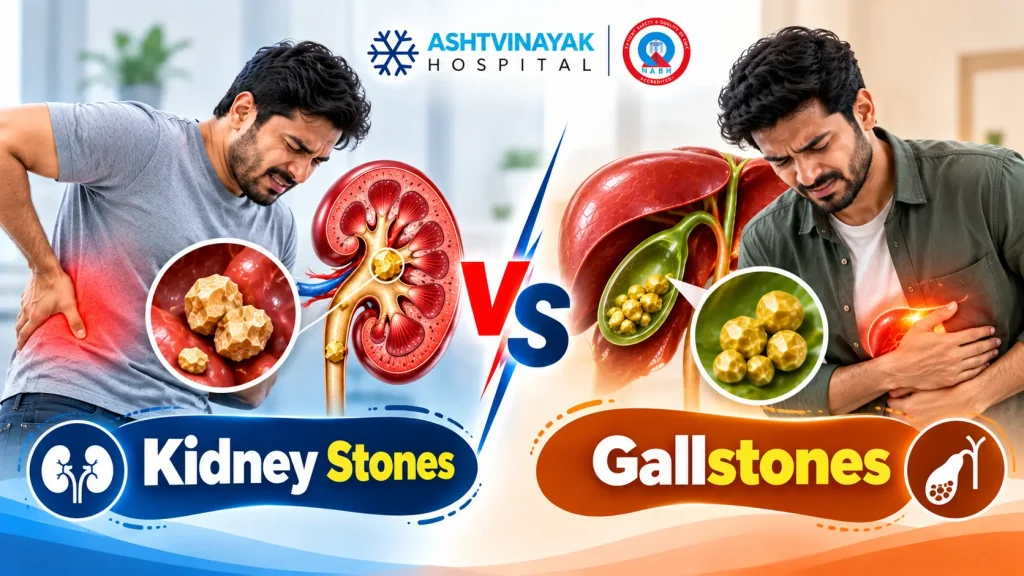
Gallstone Specialist: When Should You Consult One? Gallstones are quite common, yet many people don’t realize they have them until the symptoms start interfering with daily life. What may begin as mild discomfort can gradually turn into sharp abdominal pain, nausea, or ongoing digestive issues. This is where a gallstone specialist becomes important. Getting the right diagnosis at the right time can help prevent complications and provide lasting relief. At Ashtavinayak Hospital, the approach focuses on understanding each patient’s condition and offering treatment that is both effective and personalized. What Is a Gallstone Specialist? A gallstone specialist is a doctor trained to diagnose and treat conditions related to the gallbladder, especially gallstones. These specialists are typically gastroenterologists or surgeons with expertise in minimally invasive procedures. They assess your symptoms, recommend appropriate tests, and guide you toward the most suitable treatment—whether it involves medication, monitoring, or surgery. What Are Gallstones? Gallstones are small, hardened deposits that form inside the gallbladder, an organ that stores bile to help with digestion. They can vary in size and may not always cause symptoms. However, when these stones block the flow of bile, they can lead to pain and other complications. The need for treatment depends on how severe the symptoms are and how they affect your daily life. Symptoms That Require a Gallstone Specialist Gallstones can remain unnoticed for a long time, but certain symptoms should not be ignored. These signs often indicate that medical attention is needed. Severe Abdominal Pain Pain in the upper right side of the abdomen, especially after eating, is one of the most common signs. It may come suddenly and last for hours. Nausea and Vomiting Frequent nausea or vomiting, particularly after consuming fatty foods, may point toward gallbladder issues. Indigestion and Bloating Ongoing bloating, gas, or discomfort after meals can be linked to gallstones affecting digestion. Pain Spreading to Back or Shoulder Sometimes, the pain may extend to the back or right shoulder, which is a typical symptom of gallbladder problems. Fever or Jaundice in Severe Cases In more serious situations, symptoms like fever or yellowing of the skin and eyes may occur, indicating a need for urgent care. Causes and Risk Factors of Gallstones Gallstones can develop due to multiple reasons, including high cholesterol levels in bile, obesity, rapid weight loss, or a family history of the condition. Lifestyle factors such as unhealthy eating habits and lack of physical activity can also increase the risk. Being aware of these factors can help in both prevention and long-term management. How Does a Gallstone Specialist Diagnose the Condition? Diagnosis usually starts with a detailed discussion of symptoms and a physical examination. Imaging tests like ultrasound are commonly used to confirm the presence of gallstones and understand their size and position. Accurate diagnosis is essential to decide the most effective treatment and avoid future complications. Treatment Options for Gallstones Treatment depends on whether the gallstones are causing symptoms. If there are no symptoms, doctors may simply monitor the condition. However, when pain or complications occur, treatment becomes necessary. The most commonly recommended option is laparoscopic gallbladder removal, a minimally invasive surgery that allows quicker recovery. In some cases, non-surgical options may be considered, but surgery is often the most reliable long-term solution. When Should You See a Gallstone Specialist? You should consider consulting a specialist if you experience repeated abdominal pain, persistent digestive discomfort, or symptoms that affect your routine. Ignoring these signs can lead to complications such as infection or blockage in the bile ducts. Seeking medical advice early can help ensure better outcomes and smoother recovery. Why Choose Ashtavinayak Hospital? At Ashtavinayak Hospital, patient care is guided by experience, precision, and a personalized approach. Each case is carefully evaluated to understand the exact problem before recommending treatment. With modern diagnostic facilities and advanced minimally invasive techniques, the hospital focuses on providing safe and effective treatment with faster recovery. From the first consultation to post-treatment care, patients are supported at every step, ensuring clarity and confidence throughout the process. Conclusion Gallstones can range from mild to severe, but recognizing the symptoms early and consulting a specialist can make a real difference. Timely diagnosis and the right treatment approach can help prevent complications and improve overall well-being. At Ashtavinayak Hospital, patients receive expert care, clear guidance, and personalized treatment to manage gallstone conditions safely and effectively. FAQ’s Which doctor should I consult for gallstones? A gastroenterologist or a laparoscopic surgeon is usually the right specialist for diagnosing and treating gallstones. Do all gallstones require surgery? Not always. Treatment depends on symptoms. Surgery is recommended when gallstones cause pain or complications. Is gallstone surgery safe? Yes, laparoscopic surgery is widely performed and considered safe, with a relatively quick recovery period. Can gallstones go away on their own? In most cases, gallstones do not disappear without treatment and may require medical management if symptoms occur. How can gallstones be prevented? Maintaining a healthy diet, regular exercise, and managing body weight can help reduce the risk. A gastroenterologist or a laparoscopic surgeon is usually the right specialist for diagnosing and treating gallstones. Not always. Treatment depends on symptoms. Surgery is recommended when gallstones cause pain or complications. Yes, laparoscopic surgery is widely performed and considered safe, with a relatively quick recovery period. In most cases, gallstones do not disappear without treatment and may require medical management if symptoms occur. Maintaining a healthy diet, regular exercise, and managing body weight can help reduce the risk. Call us: +91-88829 05905, +91-85914 45812, +91-85914 31906 Visit us: Plot 10, Sector -6, Khanda Colony, near Khandeshwar Lake, New Panvel West, Navi Mumbai, Maharashtra 410206 Book An Appointment
Cystoscopy Cost: What You Should Know Before the Procedure

Cystoscopy Cost: What You Should Know Before the Procedure Book An Appointment Cystoscopy Cost: What You Should Know Before the Procedure Being advised to undergo a cystoscopy can bring up a lot of questions, and one of the most common concerns is the cost. While understanding the procedure itself is important, knowing what influences the pricing can help you plan ahead with more clarity and confidence. Cystoscopy is a widely used procedure that helps doctors examine the bladder and urinary tract. It is generally safe and minimally invasive, but the cost can vary depending on several factors. At Ashtavinayak Hospital, the aim is to provide clear and transparent information so patients can make informed decisions about their treatment. What Is a Cystoscopy? A cystoscopy is a diagnostic procedure that allows doctors to look inside the bladder and urethra using a thin, flexible tube fitted with a camera, known as a cystoscope. It helps in identifying conditions such as infections, stones, blockages, or other abnormalities within the urinary system. In certain situations, it may also be used for minor treatments, like removing small stones or taking tissue samples for further testing. The exact purpose of the procedure can influence the overall cost. Cystoscopy Cost in India The cost of a cystoscopy in India can vary depending on the hospital, location, and type of procedure performed. In private healthcare settings, it generally ranges between ₹30,000 and ₹70,000. A basic diagnostic cystoscopy is usually more affordable, while procedures that involve treatment or biopsy may increase the cost. Government hospitals may offer lower pricing, but factors like waiting time and available facilities can differ. Factors Affecting Cystoscopy Cost There isn’t a single fixed price for cystoscopy, as the final cost depends on several important factors. Understanding these can help you make better decisions. Type of Procedure A simple diagnostic cystoscopy is typically less expensive than a therapeutic procedure that involves treatment or biopsy. The complexity of the procedure directly impacts the cost. Hospital and Location The cost can vary based on where the procedure is performed. Hospitals with advanced facilities and infrastructure may charge more, but they also offer enhanced care and comfort. Doctor’s Experience The expertise of the specialist performing the procedure can influence the cost. Experienced doctors may charge higher fees, but they bring greater precision and reliability. Type of Anesthesia Procedures done under local anesthesia are generally more affordable compared to those requiring general anesthesia, which involves additional care and monitoring. Additional Medical Expenses Other costs such as consultation fees, diagnostic tests, medications, hospital stay, and follow-up visits can add to the total expense. Types of Cystoscopy Procedures Cystoscopy can be performed using different techniques depending on the patient’s condition. A flexible cystoscopy is commonly used for diagnostic purposes and is less invasive, while a rigid cystoscopy is often used for treatment-related procedures. The choice between these methods depends on the specific medical requirement and can also influence the overall cost. Your doctor will recommend the most suitable approach based on your condition. Is Cystoscopy Covered by Insurance? In many cases, cystoscopy is covered under health insurance if it is considered medically necessary. However, the extent of coverage can vary depending on your policy, hospital, and the type of procedure performed. It’s always a good idea to check with your insurance provider in advance so you have a clear understanding of what is included and any out-of-pocket expenses you may need to plan for. What to Expect After the Procedure Recovery after a cystoscopy is usually quick and straightforward. Most people can return to their normal routine within a short time. You may experience mild discomfort or a slight burning sensation during urination for a brief period, which typically improves on its own. Following your doctor’s advice, staying well-hydrated, and attending follow-up appointments can help ensure a smooth and comfortable recovery. Why Choose Ashtavinayak Hospital? At Ashtavinayak Hospital, patient care is guided by a combination of experience, precision, and transparency. Each patient undergoes a detailed evaluation so the treatment approach is tailored to their specific condition. With skilled specialists, modern diagnostic facilities, and a patient-first approach, the hospital ensures that every step from consultation to recovery is handled with clarity and care. The focus is not just on treatment, but also on making patients feel informed, comfortable, and confident throughout their healthcare journey. Conclusion Cystoscopy cost can vary depending on several factors, including the type of procedure, hospital, and individual condition. Having a clear understanding of these aspects can help you prepare better and avoid unexpected expenses. At Ashtavinayak Hospital, patients receive expert care along with clear communication and transparency, ensuring confidence and comfort throughout the treatment process. FAQ’s What is the average cystoscopy cost in India? The cost generally ranges between ₹30,000 and ₹70,000, depending on the procedure and hospital. Is cystoscopy an expensive procedure? It depends on the complexity. Basic procedures are more affordable, while advanced treatments may cost more. Does the cost include all expenses? Not always. Additional charges such as tests, medications, and hospital stay may be added separately. Can the cost differ for each patient? Yes, the total cost can vary based on the patient’s condition, procedure type, and hospital choice. Is cystoscopy covered by insurance? In many cases, it is covered if medically necessary, but coverage depends on your specific insurance policy. The cost generally ranges between ₹30,000 and ₹70,000, depending on the procedure and hospital. It depends on the complexity. Basic procedures are more affordable, while advanced treatments may cost more. Not always. Additional charges such as tests, medications, and hospital stay may be added separately. Yes, the total cost can vary based on the patient’s condition, procedure type, and hospital choice. In many cases, it is covered if medically necessary, but coverage depends on your specific insurance policy. Call us: +91-88829 05905, +91-85914 45812, +91-85914 31906 Visit us: Plot 10, Sector -6, Khanda Colony, near Khandeshwar Lake, New Panvel West, Navi Mumbai, Maharashtra 410206 Book An Appointment
Holter Monitor Price: What You Should Know Before the Test

Holter Monitor Price: What You Should Know Before the Test Book An Appointment Holter Monitor Price: What You Should Know Before the Test Heart-related symptoms such as palpitations, dizziness, or an irregular heartbeat can sometimes be difficult to evaluate with a routine ECG. Since these symptoms may not occur during a short test, doctors often recommend a Holter monitor to get a clearer picture. This device records your heart activity continuously for 24 hours or more, helping detect issues that might otherwise go unnoticed. If you’ve been advised to undergo this test, it’s natural to wonder about the cost. Understanding the holter monitor price can help you plan ahead and feel more confident about the process. At Ashtavinayak Hospital, the focus is on accurate diagnosis combined with transparent and patient-friendly care. What Is a Holter Monitor Test? A Holter monitor is a small, portable device that continuously records the heart’s electrical activity, usually over 24 to 48 hours. It is especially useful in detecting irregular heart rhythms that may not appear during a standard ECG. The test is completely non-invasive, and you can carry on with your daily activities while wearing the device. This makes it an effective way to monitor heart function in real-life conditions and identify issues like arrhythmias, palpitations, or unexplained fainting. Holter Monitor Price The cost of a Holter monitor test can vary depending on several factors. In India, it typically ranges between ₹2,000 and ₹6,000, depending on the hospital, location, and type of monitoring required. Basic tests are generally more affordable, while advanced monitoring or longer durations may increase the overall cost. In some cases, additional services such as consultations or follow-ups may also be included in the total price. Factors Affecting Holter Monitor Price Several elements influence how much you may pay for the test. Understanding these factors can help you get a clearer idea of the pricing. Duration of Monitoring Most tests are conducted over 24 hours, but longer monitoring periods like 48 or 72 hours can increase the cost due to extended recording and analysis. Type of Device Used Basic devices may cost less, while more advanced or wireless monitors that offer improved comfort and accuracy may be priced higher. Hospital and Location The cost can differ based on the hospital’s facilities and the city. Hospitals in metro areas may have slightly higher charges compared to smaller towns. Doctor’s Expertise and Reporting The final cost may also include the cardiologist’s evaluation and detailed report, which plays an important role in diagnosis. Additional Services Consultation fees, follow-up visits, or any additional tests can also add to the total expense. Why Is the Holter Monitor Test Important? This test becomes especially useful when symptoms appear occasionally and are difficult to capture during a short ECG. By recording heart activity over a longer period, it provides a more accurate understanding of heart rhythm patterns. Early detection of irregularities allows doctors to recommend the right treatment and prevent potential complications, making it an important diagnostic tool. When Should You Get a Holter Monitor Test? A doctor may recommend this test if you experience frequent palpitations, dizziness, fainting episodes, or unexplained chest discomfort. It is also used to monitor existing heart conditions or check how well a treatment is working. If such symptoms occur repeatedly, getting tested at the right time can help ensure proper diagnosis and timely care. Why Choose Ashtavinayak Hospital? At Ashtavinayak Hospital, patient care is guided by accuracy, experience, and transparency. The hospital offers advanced diagnostic facilities supported by experienced specialists who focus on precise evaluation and clear reporting. Every patient receives individual attention, ensuring a smooth and comfortable testing experience. From consultation to follow-up, the goal is to provide care that patients can rely on with confidence. Conclusion Holter monitor price can vary depending on several factors, but having a clear understanding helps you plan better and avoid confusion. The test itself is a valuable tool that offers detailed insights into heart health and supports accurate diagnosis. At Ashtavinayak Hospital, the focus is on providing reliable diagnostics along with patient-centered care, ensuring you receive the right support at every step of your healthcare journey. FAQ’s What is the average holter monitor price in India? The cost usually ranges between ₹2,000 and ₹6,000, depending on various factors such as location and duration. Does the cost increase with longer monitoring? Yes, longer monitoring periods can increase the cost due to additional recording and analysis. s the test covered by insurance? In many cases, it may be covered if medically recommended. It’s best to confirm with your insurance provider. Is the Holter monitor test painful? No, it is a painless and non-invasive test. You may only feel slight discomfort from the electrodes. How long does the test take? The monitoring typically lasts 24 to 48 hours, after which the results are analyzed. The cost usually ranges between ₹2,000 and ₹6,000, depending on various factors such as location and duration. Yes, longer monitoring periods can increase the cost due to additional recording and analysis. In many cases, it may be covered if medically recommended. It’s best to confirm with your insurance provider. No, it is a painless and non-invasive test. You may only feel slight discomfort from the electrodes. The monitoring typically lasts 24 to 48 hours, after which the results are analyzed. Call us: +91-88829 05905, +91-85914 45812, +91-85914 31906 Visit us: Plot 10, Sector -6, Khanda Colony, near Khandeshwar Lake, New Panvel West, Navi Mumbai, Maharashtra 410206 Book An Appointment
Mammography Cost in India: What You Should Know
Mammography Cost in India: What You Should Know Before Testing Book An Appointment Breast health is something people usually don’t think about much… until a doctor actually suggests a test. And the moment that happens, the first thought is not even about the procedure sometimes, it’s about the mammography test cost. Like… how much is this going to cost? Is it expensive? Do I really need it right now? These are pretty normal thoughts. The good thing is, in India, this test is not very expensive. But yeah, the price is not exactly the same everywhere. Some people pay less, some pay more, and it all depends on a few things which most people don’t even realise at first. Let’s just go through it in a simple way. What is the mammography test cost in India? So, if we talk about a rough idea, the mammography test cost usually ranges between ₹800 to ₹3,500. Now this might feel confusing because that’s quite a big gap. But the reason is simple… not all tests are the same. A basic screening is cheaper, while advanced tests cost more. Most people actually end up somewhere in the middle, depending on the hospital and type of machine used. Also, in bigger cities, prices can be slightly higher. Not always a huge difference, but yeah… it’s there. Why does mammography test cost vary in different hospitals? If you’ve ever checked prices at different places, you’ll notice one thing… the mammography test cost is never fixed. And it’s not random, there are proper reasons behind it. First is the machine. Some hospitals still use basic machines, while others use digital or even 3D machines. Obviously, the more advanced the machine, the higher the cost. Then comes the hospital setup. A big private hospital with better facilities will charge more than a small diagnostic centre. Doctor’s experience also matters. And sometimes location too. Individually these things don’t seem like much, but together they do affect the final price. What are the different types of mammography and their cost? Not everyone needs the same type of test. And that’s where the pricing changes a lot. What is the cost of basic screening mammography? This is the most common one. Mostly done as a routine check. The cost is usually between ₹800 to ₹2,000. It’s simple and does the basic job of screening. What is the cost of digital mammography? Digital mammography is a bit more advanced. It gives clearer images, which helps doctors see things better. The price here is around ₹1,500 to ₹3,500. A lot of hospitals prefer this now because it’s more accurate. What is the cost of 3D mammography (tomosynthesis)? This is the latest type. It gives a 3D view, which helps in detecting even small issues. But yeah… it’s more expensive. The cost can go from ₹3,000 to ₹7,000 depending on where you get it done. What is included in mammography test cost? This is something people don’t always ask… but should. Usually, the cost includes the imaging test and the report given by the radiologist. But if any extra tests are needed later, like ultrasound or biopsy, those are charged separately. Sometimes even follow-ups are not included. So it’s better to just ask clearly what’s covered and what’s not… saves confusion later. Is mammography covered by insurance in India? Yes, in many cases it is. If the test is suggested by a doctor because of some symptoms, insurance usually covers it. But if it’s just for routine screening, then it depends on your policy. Some plans include preventive tests, some don’t. Also, there can be conditions like waiting period or limits. So just checking once before going ahead is a good idea. How can you reduce mammography test cost? If you’re worried about the mammography test cost, there are ways to manage it. Can choosing the right test reduce cost? Yes, definitely. If a basic test is enough, there’s no need to go for advanced ones unless your doctor says so. Does insurance or health packages help? Yes, they help a lot. Many hospitals offer health packages where the cost is lower. Insurance can also cover part or full amount. When should you consider a mammography test? Most people think this is only needed after a certain age, but that’s not always the case. It is generally recommended after 40 for regular screening. But if you notice anything unusual… like a lump, pain, or changes, then doctors may suggest it earlier. Family history also matters. The idea is simple—catching any issue early makes things much easier later. Why choose Ashtvinayak Hospital for mammography? Choosing the right place does make a difference. At Ashtvinayak Hospital, things are kept simple. The pricing is clear, so you’re not confused later. They use modern machines, which helps in getting accurate results. And the staff also guides you properly, which honestly makes the process less stressful. Especially if it’s your first time, that kind of support helps. Conclusion So yeah, the mammography test cost in India is quite affordable overall. But since it depends on a few factors, the final price can change. Instead of just going for the cheapest option, it’s better to choose a place where you feel comfortable and confident about the results. Because at the end of the day, it’s about your health… and that matters more. FAQ’s What is the minimum mammography test cost in India? It usually starts from around ₹800. Is mammography painful? There can be slight discomfort, but it’s very quick. How long does the test take? It usually takes around 10–20 minutes. Can mammography detect cancer early? Yes, it helps in early detection which is very important. Do you need any preparation before the test? Not much, just avoid using deodorants or lotions before going. It usually starts from around ₹800. There can be slight discomfort, but it’s very quick. It usually takes around 10–20 minutes. Yes, it helps in early detection which is very important. Not much,
Colonoscopy Price in India: What You Should Pay
Colonoscopy Test Cost in India: Full Price Breakdown Book An Appointment Getting advised for a colonoscopy can feel a bit stressful. Not just because of the test itself… but also the cost part. Most people immediately start thinking about the colonoscopy test price and whether it’s going to be too expensive or manageable. And honestly, there’s no single fixed number. That’s where the confusion usually starts. In India, the test is actually quite affordable compared to many other countries. But still, what you finally pay depends on a few things. Some small, some big… and together they change the total amount. Let’s just go through it step by step, in a simple way. What is the colonoscopy test price in India? So, if we talk about a general idea, the colonoscopy test price usually falls between ₹4,000 to ₹25,000. Now this range might look too wide. But that’s because not every colonoscopy is the same. A simple test without anything extra will obviously cost less. But if during the procedure the doctor needs to do something more… like taking a biopsy or removing a polyp, then the cost goes up. Also, if you choose sedation (which many people do for comfort), that also adds to the total. So yeah, the starting price is low… but the final amount depends on what exactly happens during the test. Why does colonoscopy test price vary so much? If you’ve checked prices at different hospitals, you probably noticed this already… the colonoscopy test price is never exactly the same. And it’s not random. There are reasons behind it. First thing is the type of procedure. Some people only need a basic check, while others might need treatment during the same process. Then comes sedation. Some go without it, some prefer to be sedated so they don’t feel discomfort. That alone can change the price. Hospital also matters. A well-known private hospital with better facilities will obviously charge more than a smaller setup. Doctor’s experience, city, equipment… all these things also play a role. Individually they don’t seem like much, but together they do increase the cost. What are the different types of colonoscopy and their cost? Not everyone goes through the same type of colonoscopy. And that’s where pricing really changes. What is the cost of diagnostic colonoscopy? This is the basic one. It’s mainly done to check if everything is normal or if there’s any issue inside. The cost is usually around ₹4,000 to ₹6,000. It’s the most affordable option since it doesn’t involve anything extra. What is the cost of colonoscopy with sedation? Now, some people feel uncomfortable with the idea of the procedure. So doctors offer sedation to make it easier. With sedation, the cost usually goes between ₹7,000 to ₹12,000. It’s a bit higher, but many people feel it’s worth it for comfort. What is the cost of colonoscopy with biopsy or treatment? In some cases, the doctor might find something during the test and decide to take a biopsy or remove a polyp. That’s when the price increases more… usually somewhere between ₹15,000 to ₹25,000 or even higher depending on the situation. What is included in colonoscopy test cost? Most hospitals give a package, but what’s included can differ slightly. Generally, it covers doctor charges, use of equipment, and basic monitoring during the procedure. Sometimes a short observation period is also included. But not everything is always part of it. For example, sedation, lab tests, biopsy, or extra treatment may be charged separately. So it’s always better to ask clearly what’s included… and what’s not. That avoids surprises later. Is colonoscopy covered by insurance in India? Yes, in many cases it is covered. If the test is advised due to symptoms or for diagnosis, insurance usually helps reduce the cost. Which is a big relief honestly. But if it’s done as a routine check-up, coverage may depend on your policy. Also, things like waiting period or limits on certain procedures can apply. So just checking your policy once before going ahead is a smart move. Which is better: government or private hospital for colonoscopy? This really depends on what you’re looking for. Government hospitals are cheaper, no doubt. But the waiting time can be long, and facilities may be basic. Private hospitals are more comfortable, faster, and usually have better equipment. But yes, they cost more. So if budget is your main concern, government hospitals work. If you want convenience and quicker service, private hospitals are a better option. How can you reduce colonoscopy test price? If you’re worried about the colonoscopy test price, there are ways to manage it. Can avoiding unnecessary add-ons reduce cost? Yes, it can. If your case doesn’t need extra procedures, sticking to a basic test can keep the cost lower. Does insurance help in lowering the cost? Definitely. Insurance can cover a good part of the expense, especially when the test is medically required. Why choose Ashtvinayak Hospital for colonoscopy? Choosing the right place matters more than people think. Ashtvinayak Hospital focuses on making the process simple and stress-free. The pricing is clear, not confusing, and the staff guides you properly at every step. The hospital uses modern equipment and follows proper hygiene and safety practices, which is important for procedures like this. Overall, the experience is more comfortable, especially if it’s your first time. Conclusion So yeah, the colonoscopy test price in India is not fixed, but it’s definitely affordable in most cases. The final cost depends on what kind of procedure you need, where you get it done, and whether any additional steps are required. Instead of just going for the lowest price, it’s better to choose a place that offers proper care and accuracy. That makes a big difference in the long run. FAQ’s What is the minimum colonoscopy test price in India? It usually starts from around ₹4,000 for a basic procedure. How long does a colonoscopy test take? It generally takes about 20–40 minutes. Is colonoscopy painful?